Top Benefits of Using a Motorized Pallet Jack for Your Warehouse Operations?
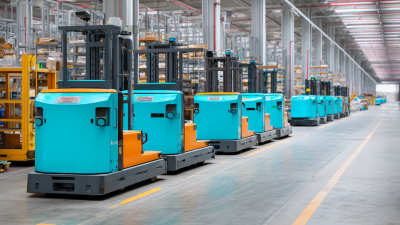
In today's fast-paced warehouse environments, efficiency is paramount. According to the Material Handling Institute, nearly 80% of warehouses struggle with productivity due to outdated equipment and techniques. A Motorized Pallet Jack offers a smart solution. This equipment streamlines the movement of goods, reducing manual labor and injury risks.
Research indicates that using motorized equipment can increase operational speed by 30%. Workers can handle heavier loads with minimal effort, allowing them to focus on higher value tasks. The reduction in physical strain leads to fewer injuries. However, it is crucial to observe that improper training can lead to accidents. Better training protocols are needed alongside the adoption of motorized tools.
Ultimately, the integration of a Motorized Pallet Jack in warehouse operations represents a key investment. While challenges exist, the tangible benefits in efficiency and safety make a compelling case. The right approach can significantly enhance overall workflow and employee satisfaction.
Advantages of Motorized Pallet Jacks in Warehouse Efficiency
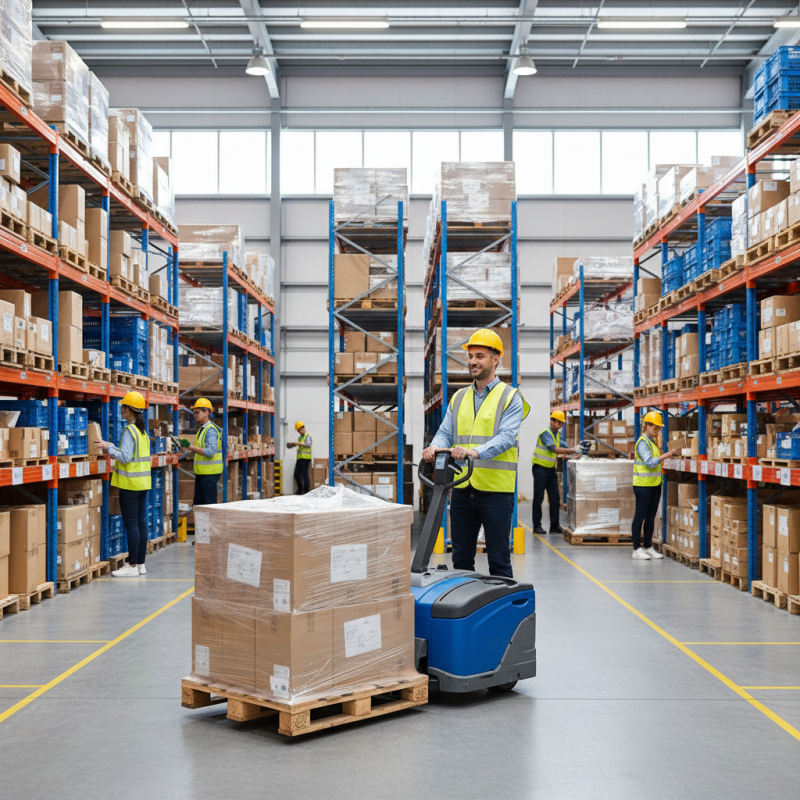
Motorized pallet jacks are transforming warehouse operations. According to the Material Handling Industry of America, these tools can increase productivity by up to 30%. They reduce the manual effort needed to lift and transport goods. This efficiency is essential in environments with high order volumes.
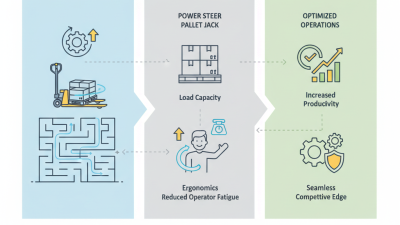
Using a motorized pallet jack also enhances safety. In warehouses, back injuries are prevalent. Reports indicate that these jacks can lower such injuries by up to 50%. With ergonomic designs, employees experience less strain. As a result, this investment not only protects workers but also minimizes downtime.
However, it's crucial to note that improper training can lead to accidents. Warehouses must ensure that staff are skilled in operating these machines. A survey by the Occupational Safety and Health Administration revealed that nearly 70% of warehouse accidents were due to operator error. Reflecting on safety protocols can lead to improved operational efficiency and employee well-being.
Top Benefits of Using a Motorized Pallet Jack for Your Warehouse Operations
The following bar chart illustrates the advantages of using motorized pallet jacks in warehouse operations, focusing on factors like efficiency, reduction in labor costs, and improving safety measures.
Enhanced Safety Features of Motorized Pallet Jacks for Workers
Workers in warehouses face various hazards daily. Manual handling can lead to injuries and accidents. Motorized pallet jacks significantly enhance safety in these operations. According to the Bureau of Labor Statistics, more than 93,000 warehouse workers were injured in the U.S. in 2021. This figure highlights the critical need for effective safety measures.
Motorized pallet jacks reduce the physical strain on operators. These machines allow for easy movement of heavy loads without excessive lifting. Ergonomically designed features, such as cushioned handles and variable speed controls, help prevent musculoskeletal injuries. Operators can navigate tight spaces safely, minimizing collision risks. Data from the Occupational Safety and Health Administration (OSHA) indicates that using such equipment can decrease injury rates by up to 30%.
Despite their benefits, some operators may struggle to adapt to motorized systems. Training is essential for maximizing their potential. Employees must become familiar with safety protocols, even if the equipment provides enhanced safety features. Regular inspections and maintenance also require attention to ensure optimal performance. Understanding the importance of safety will lead to more efficient operations in the long run.
Cost-Effectiveness of Using Motorized Pallet Jacks in Operations
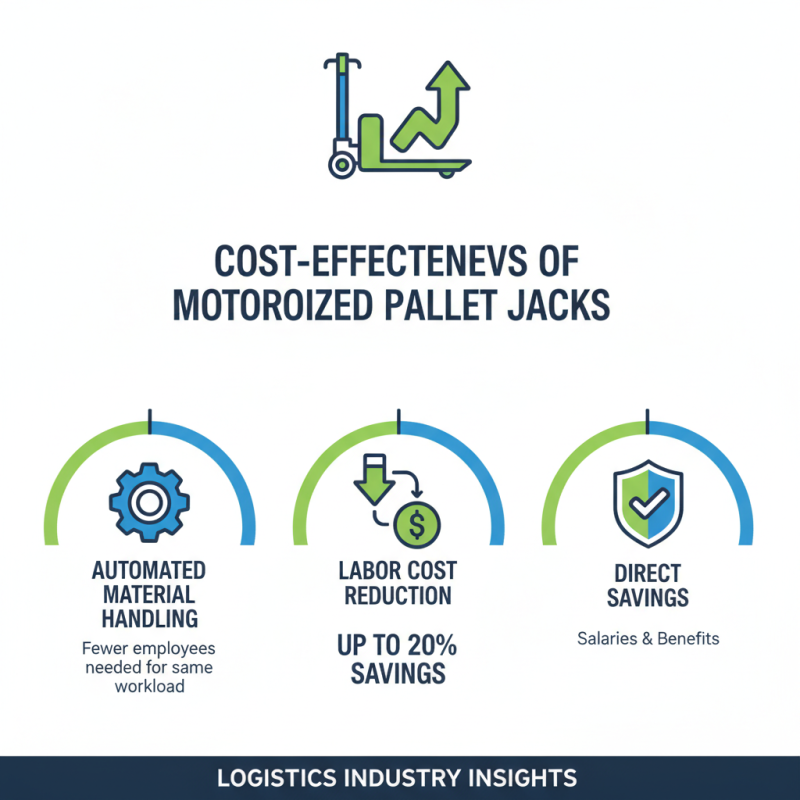
The cost-effectiveness of using motorized pallet jacks in warehouse operations is increasingly recognized in the logistics industry. According to industry reports, utilizing motorized pallet jacks can reduce labor costs by up to 20%. By automating material handling tasks, warehouses often find that fewer employees are needed for the same workload. This clearly translates into direct savings on salaries and benefits.
Additionally, operational efficiency improves. A study revealed that implementing motorized pallet jacks increased speed by 30% compared to manual jacks. Improved efficiency allows warehouses to process more orders in less time. However, it’s essential to consider upfront costs versus long-term savings. While the initial investment can be significant, the return typically justifies the expense through lower operational costs over time.
Moreover, maintenance costs should not be overlooked. Regular upkeep is necessary to prevent expensive repairs. Some warehouses have reported unexpected maintenance issues, which can lead to downtimes. Evaluating these factors carefully ensures that businesses achieve the best return on their investment. Thoughtful planning can eliminate potential pitfalls in budgeting and operational strategies.
Increased Load Handling Capacity with Motorized Pallet Jacks
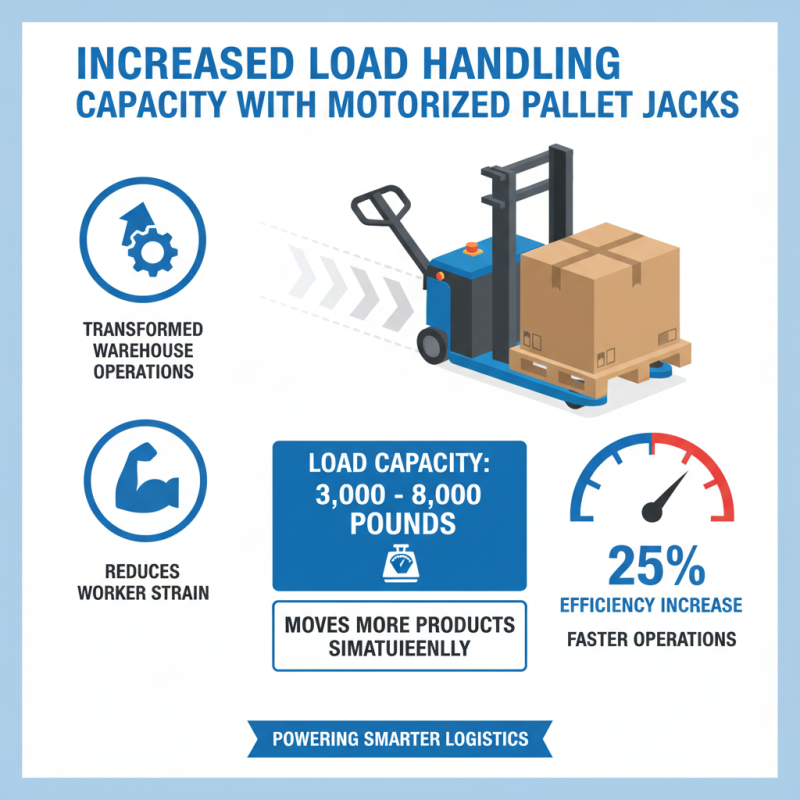
Motorized pallet jacks have transformed warehouse operations significantly. With the ability to handle heavier loads, these tools increase efficiency and reduce worker strain. The average load capacity for a motorized pallet jack can range from 3,000 to 8,000 pounds, depending on the model. This capacity allows warehouses to move more products simultaneously, ultimately speeding up operations. In fact, warehouses that integrate motorized jacks report an efficiency increase of up to 25%.
Using a motorized pallet jack reduces manual labor, which has its risks. The ergonomic design minimizes the risk of injury from lifting heavy items. According to the Occupational Safety and Health Administration (OSHA), improper lifting causes nearly 25% of workplace injuries. However, while motorized jacks improve safety, they can also lead to complacency. Operators must receive proper training to avoid accidents, and not all warehouses prioritize this crucial aspect.
Despite the benefits, motorized jacks come with a maintenance requirement that can be overlooked. Regular checks are vital. They ensure optimal performance and longevity of the equipment. Neglecting maintenance can lead to breakdowns, increasing downtime. Studies reveal that approximately 15% of motorized equipment failures are due to neglected upkeep, illustrating the need for consistent care. Balancing the advantages with proper training and maintenance is essential for maximizing warehouse productivity.
Improved Maneuverability and Space Utilization in Warehouses
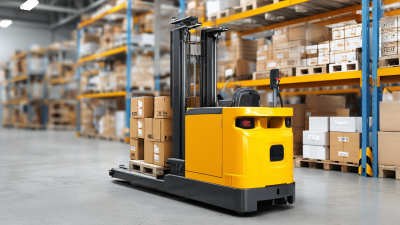
In today’s warehouses, efficiency is key. Motorized pallet jacks can significantly enhance maneuverability, especially in tight spaces. These tools are designed for rapid lifting and moving of goods. Operators can navigate narrow aisles with ease. This innovation allows for better space utilization, maximizing storage capacity.
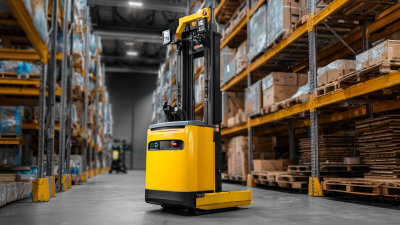
Imagine a warehouse filled with stacked pallets. Traditional equipment struggles to reach every corner. Motorized pallet jacks can often glide through these inches. They simplify the transport of heavy items. This improves workflow and reduces strain on workers. There's a noticeable difference in speed and safety during operations.
However, not all facilities may be ready for such equipment. Training is crucial to ensure safe usage. Improper handling can lead to accidents, creating potential liabilities. Reflecting on implementation can help mitigate risks. Overall, while benefits are substantial, facilities must assess their readiness.
Top Benefits of Using a Motorized Pallet Jack for Your Warehouse Operations
| Benefit |
Description |
Impact on Operations |
| Improved Maneuverability |
Motorized pallet jacks allow for easier navigation in tight spaces. |
Reduces time spent moving goods and enhances efficiency. |
| Enhanced Worker Safety |
Reduces physical strain on workers by automating lifting tasks. |
Minimizes workplace injuries and associated costs. |
| Space Utilization |
Compact design can access small aisles and corners. |
Increases storage capacity and maximizes warehouse layout. |
| Increased Productivity |
Allows for faster loading and unloading operations. |
Boosts overall operational output and profitability. |
| Cost Savings |
Reduction in labor costs and damage to inventory. |
Improves bottom line by reducing operational expenses. |

 Hand Pallet Trucks
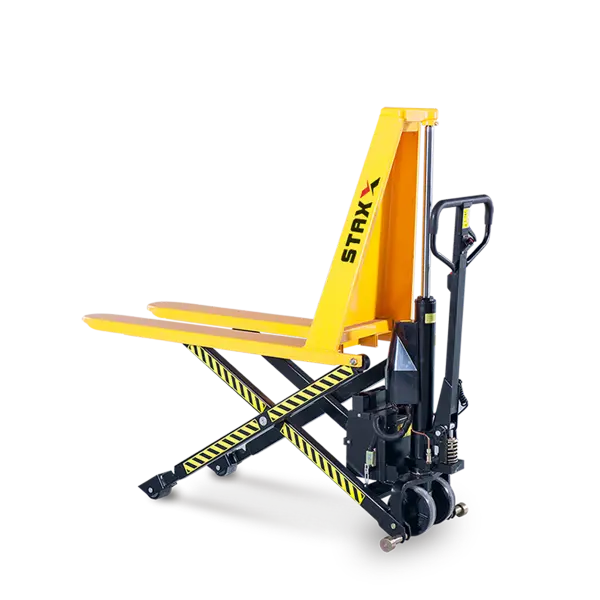 Special Pallet Trucks
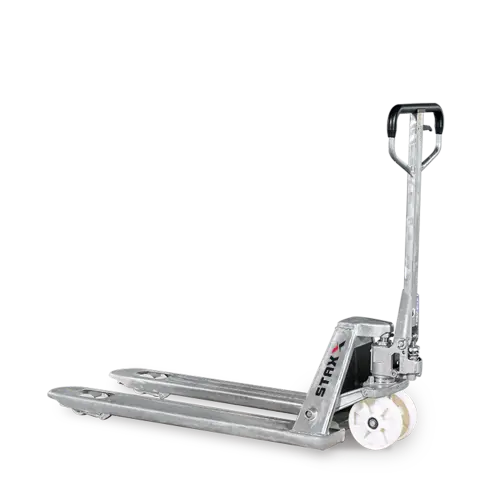 Galvanized and Inox Series
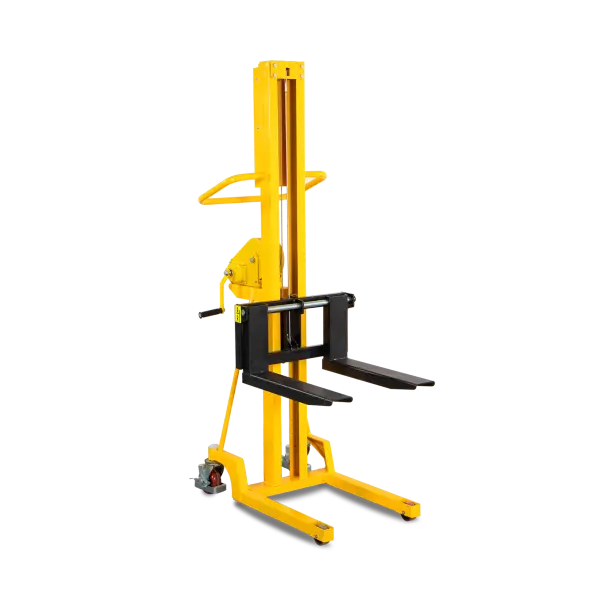 Easy Lift Service
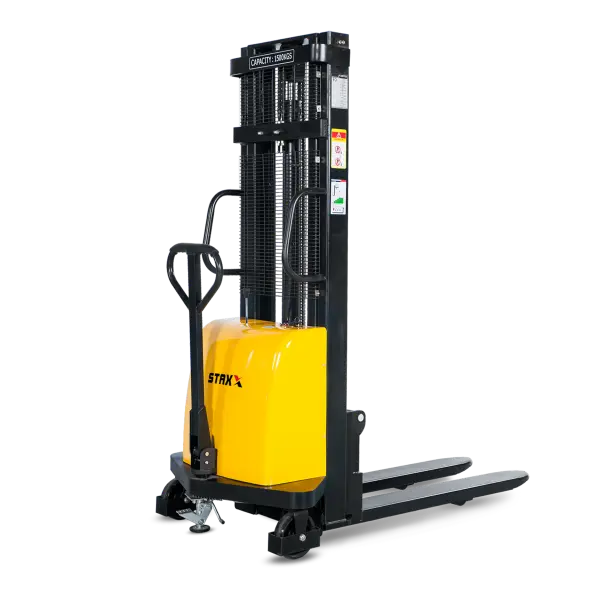 Manual Stackers
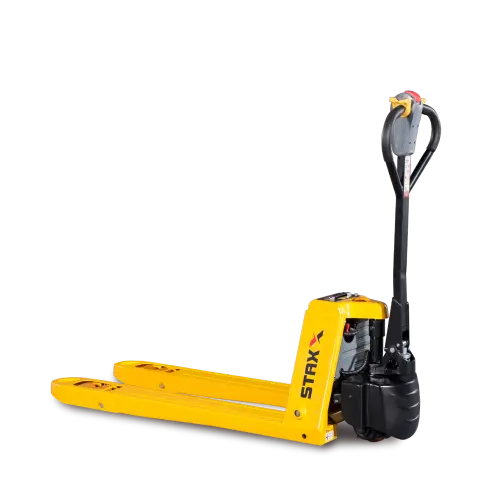 Electric Pallet Truck
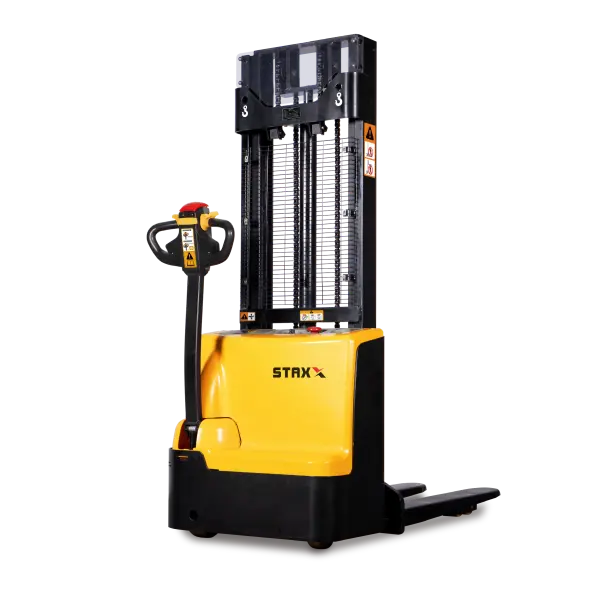 Electric Stackers
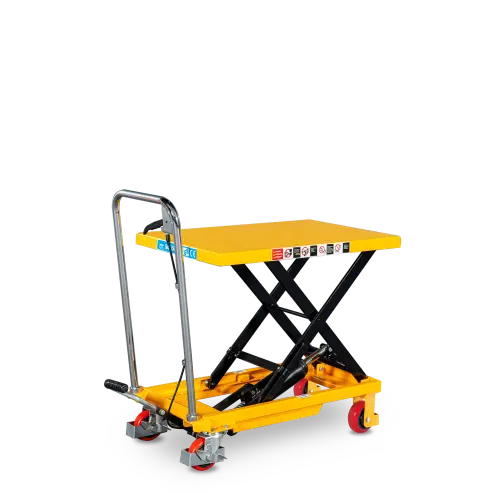 Lift Table
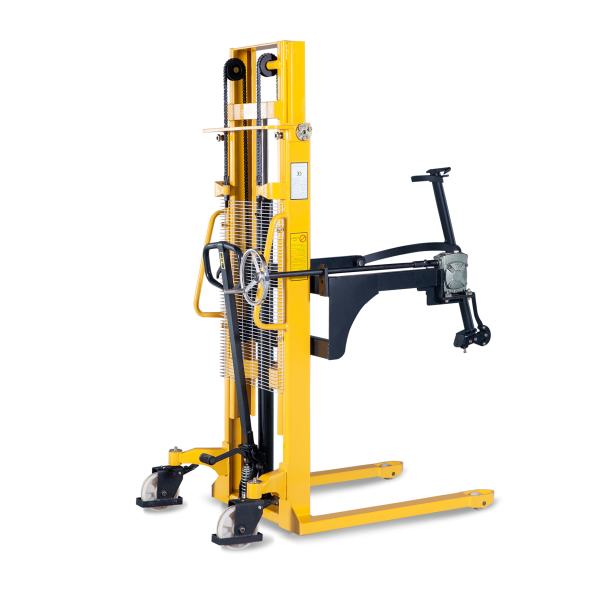 Drum Handling
 Others