Top Benefits of Using a Rideable Pallet Jack for Your Warehouse Operations?
In modern warehouse operations, efficiency and safety are paramount. The Rideable Pallet Jack is a significant advancement in material handling tools. It combines mobility with power, allowing workers to transport heavy loads with ease. Many warehouses face challenges such as worker fatigue and delays. The Rideable Pallet Jack addresses these concerns effectively.
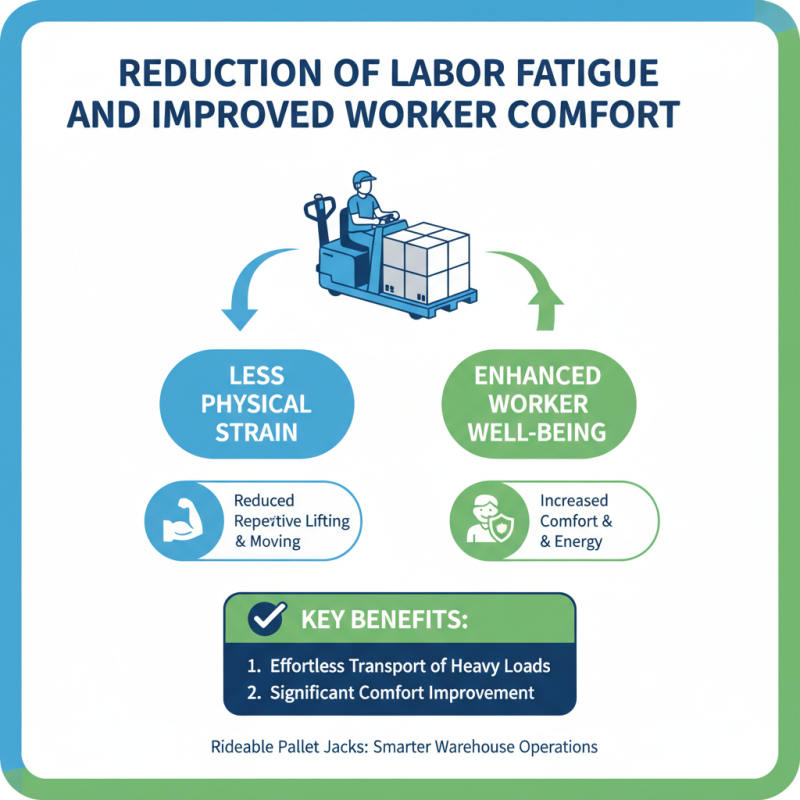
One notable benefit is its ability to reduce physical strain on employees. Traditional pallet jacks require constant lifting and pushing. In contrast, the Rideable Pallet Jack allows operators to ride along, minimizing the risk of injury. This design promotes better ergonomics in the workplace. However, it's crucial to train staff adequately on its use. Improper handling can lead to accidents.
Moreover, Rideable Pallet Jacks enhance operational speed. They can navigate tight spaces and maneuver quickly, which can be a game changer during busy hours. Still, some may find the initial investment challenging. A careful cost-benefit analysis is essential. Overall, the Rideable Pallet Jack is a revolutionary tool that can significantly improve warehouse efficiency when used correctly.
Advantages of Enhanced Mobility with Rideable Pallet Jacks
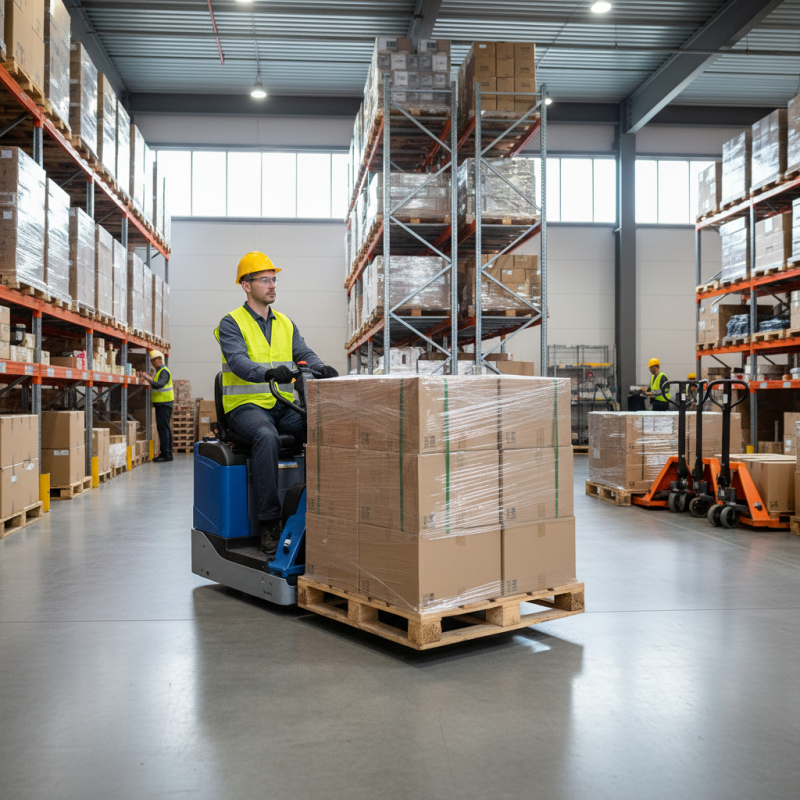
Mobility is a crucial factor in warehouse operations, and rideable pallet jacks shine in this area. These machines allow operators to move quickly and efficiently across large spaces. A report by the Warehouse Equipment Manufacturers Association (WEMA) highlights that rideable pallet jacks can improve productivity by up to 30%. This increase is mainly due to reduced walking time for operators, enabling them to focus on loading and unloading tasks.
Enhanced mobility also allows for better space utilization. According to the Material Handling Industry of America (MHIA), facilities can achieve a 20% increase in warehouse throughput by using rideable pallet jacks. Operators can navigate tight spaces and access products faster, reducing wait times. However, relying solely on these machines can be risky. If not properly trained, operators may struggle with maneuvering in crowded environments. This can lead to accidents or product damage, which could hinder operational efficiency.
While rideable pallet jacks offer significant advantages, it’s important to strike a balance. Not every scenario requires a rideable jack. Situations that involve uneven surfaces or tight aisles may suit hand-operated options better. Evaluating your warehouse layout and operational needs is essential for choosing the right equipment. This thoughtful approach can ensure safety while maximizing efficiency.
Increased Efficiency in Moving Goods Within the Warehouse
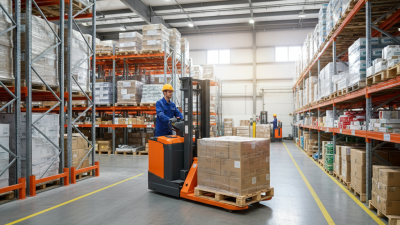
Using a rideable pallet jack significantly boosts efficiency in warehouse operations. These machines allow operators to swiftly move goods across large areas. Without needing to walk alongside a standard pallet jack, workers can focus on their tasks, reducing fatigue. This leads to greater productivity during busy shifts.
Additionally, rideable pallet jacks enhance safety. Operators can transport heavier loads with less physical strain. This reduces workplace injuries, which can disrupt operations. However, it's crucial to ensure that employees are trained effectively. Poor training can lead to accidents or product damage. Regular maintenance checks are vital to keep equipment in top shape.
Moreover, the ability to navigate tight spaces is another advantage. Rideable pallet jacks often have a compact design, fitting into narrow aisles with ease. This adaptability increases storage efficiency. Still, relying too heavily on machinery can create a disconnect with manual handling skills. Balancing technology use with fundamental training remains essential for long-term efficiency.
Versatility in Handling Various Types of Loads
When it comes to warehouse operations, the versatility of a rideable pallet jack stands out. These machines can handle various loads with ease. From heavy pallets to lighter items, they adapt to numerous tasks efficiently. Whether moving boxes or managing inventory, their flexibility is a significant asset.
Tips for optimal use: Always check the weight limit before loading. Overloading can lead to accidents and machine failure. Ensure proper training for operators. This can prevent misuse and enhance safety. Regular maintenance checks are essential. A well-maintained fork can save time and prevent costly repairs.
These pallet jacks are not only efficient but also promote a safer work environment. Since they reduce manual lifting, they help in minimizing worker injuries. However, it's crucial to remember that improper handling can still pose risks. Operators should remain mindful of their surroundings and ensure clear pathways.
Top Benefits of Using a Rideable Pallet Jack for Your Warehouse Operations
| Benefit |
Description |
Impact on Operations |
| Increased Efficiency |
Rideable pallet jacks allow operators to move quickly between loads, reducing time spent on each task. |
Quicker loading/unloading processes lead to improved throughput. |
| Reduced Physical Strain |
Operators can travel on the jack instead of walking long distances, minimizing fatigue and risk of injury. |
Improved worker health and decreased absenteeism. |
| Versatility in Load Handling |
Capable of handling various load sizes and weights, making it suitable for different tasks. |
Flexibility in operations, reducing the need for multiple types of equipment. |
| Enhanced Safety Features |
Many models include safety features such as emergency brakes and ergonomic designs. |
Lower accident rates and improved workplace safety compliance. |
| Cost-Effective Solution |
Reduced labor costs and improved efficiency contribute to lower operational expenses. |
Increased profitability and return on investment. |
Cost-Effectiveness and Long-Term Savings for Warehouse Operations
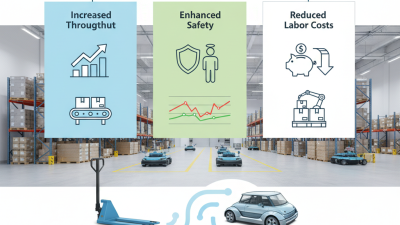
Using a rideable pallet jack can significantly enhance cost-effectiveness in warehouse operations. These machines reduce labor costs by allowing one operator to manage heavier loads efficiently. With the ability to move pallets quickly, warehouses achieve better productivity with fewer workers. This saves on wages without sacrificing the speed of operations.
Long-term savings are evident as rideable pallet jacks require less maintenance compared to larger machinery. Minor repairs often suffice, prolonging the equipment's lifespan. Investing in these jacks may seem costly initially, but the return on investment becomes clear over time. Furthermore, they are easy to operate, reducing training time for new employees and leading to a faster adjustment period.
Yet, not all warehouses may benefit equally from rideable pallet jacks. Smaller operations with lighter loads may find them underutilized. It’s vital to assess specific needs and potential risks before making a purchase. Balancing efficiency and cost is crucial for maximizing benefits. Each warehouse's unique setup plays a role in determining the right equipment. Careful consideration is needed here.

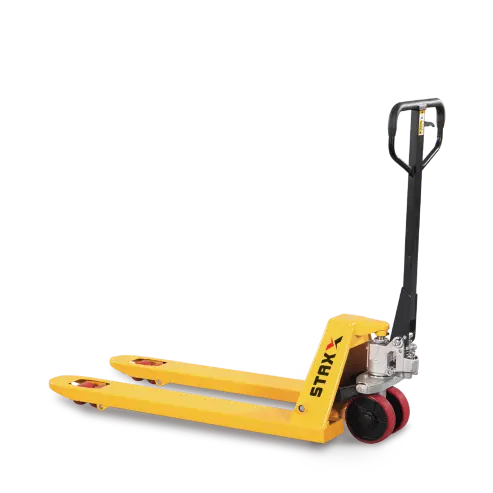 Hand Pallet Trucks
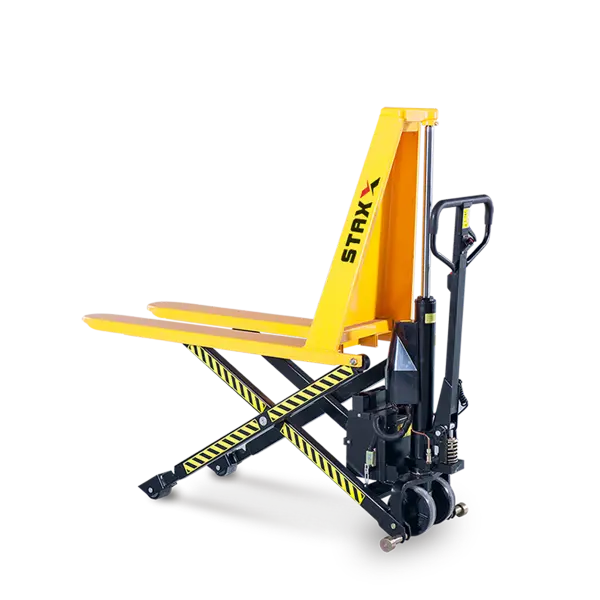 Special Pallet Trucks
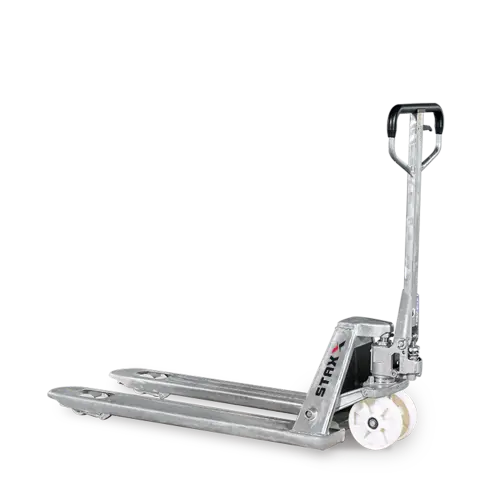 Galvanized and Inox Series
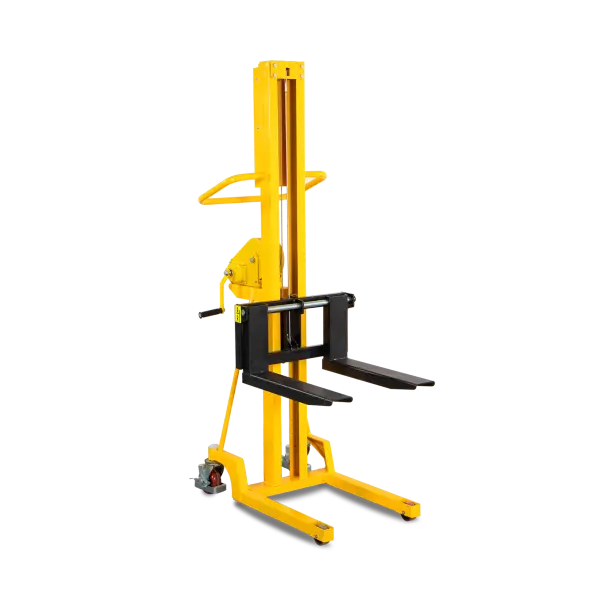 Easy Lift Service
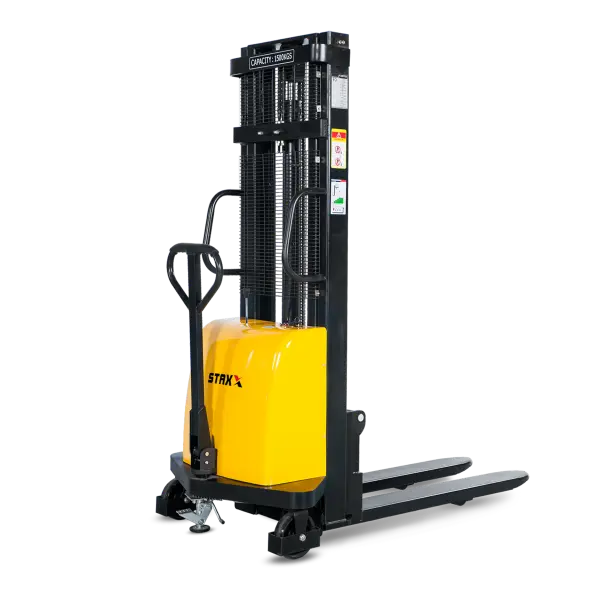 Manual Stackers
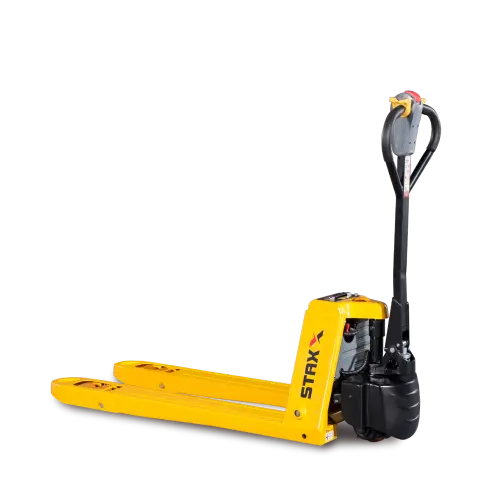 Electric Pallet Truck
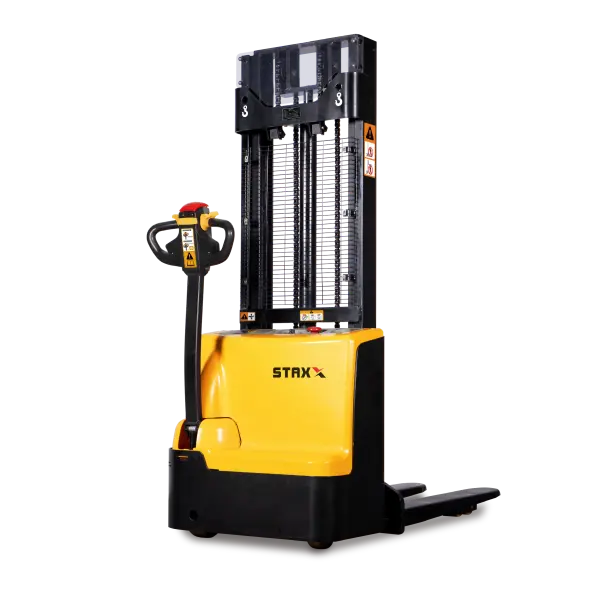 Electric Stackers
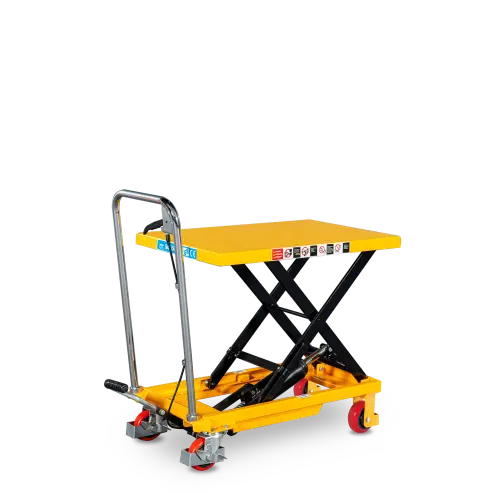 Lift Table
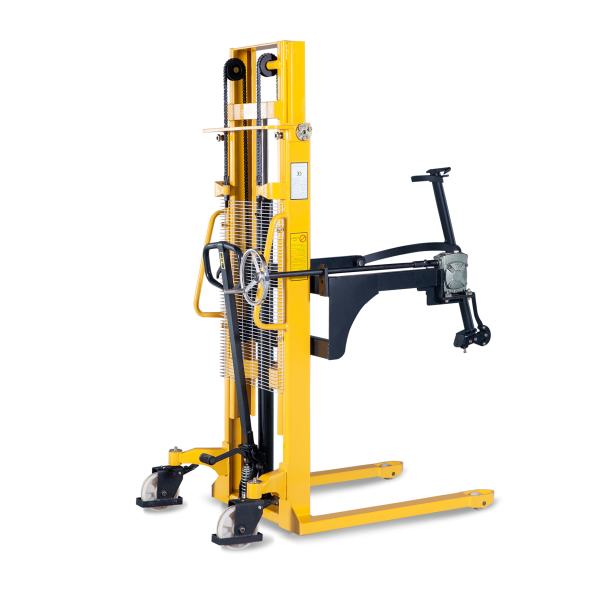 Drum Handling
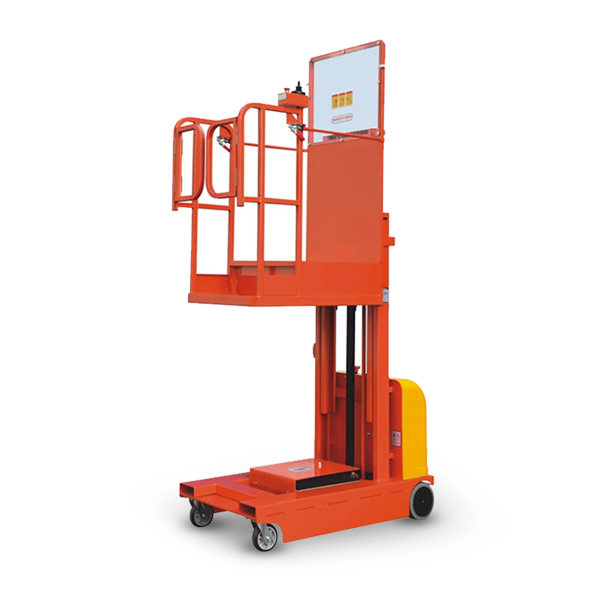 Others