Top 10 Benefits of Using Lithium Ion Pallet Jacks Today?
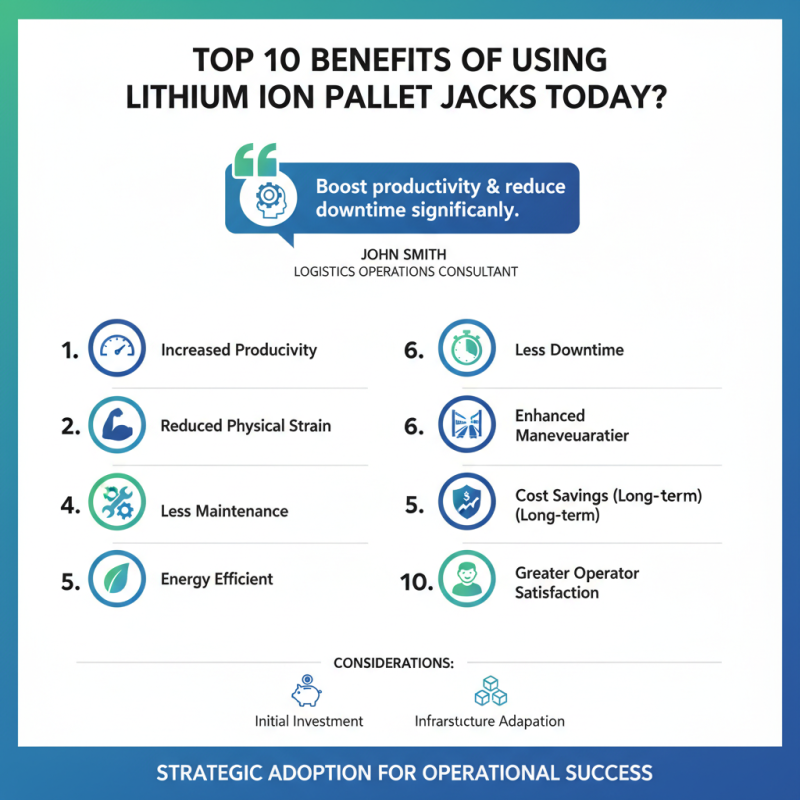
In today’s fast-paced logistics industry, efficiency is paramount. Companies increasingly turn to innovative solutions like the Lithium Ion Pallet Jack. Industry expert, John Smith, a logistics operations consultant, states, “Lithium Ion Pallet Jacks not only boost productivity but also reduce downtime significantly.” This trial and error approach to technology adoption is vital for operational success.
Lithium Ion Pallet Jacks offer numerous advantages. Their lightweight design ensures easy maneuverability in tight spaces. Furthermore, quick charging times reduce the likelihood of prolonged downtime. Users report increased satisfaction due to less physical strain during daily operations. However, as companies implement these tools, they must consider initial costs and infrastructure adjustments.
Moreover, both seasoned managers and newcomers face challenges. Not every facility is equipped for lithium-ion technology. The transition requires thoughtful planning and training. Reflecting on experiences helps identify practical solutions. Ultimately, embracing the Lithium Ion Pallet Jack can be transformative, but it is essential to approach it strategically, staying aware of potential pitfalls.
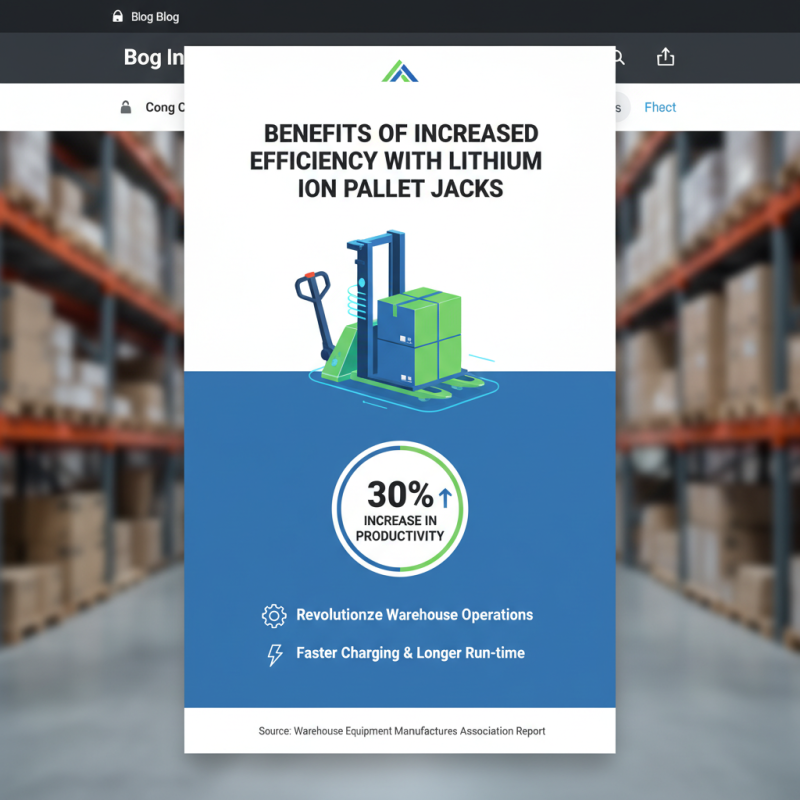
Benefits of Increased Efficiency with Lithium Ion Pallet Jacks
Lithium ion pallet jacks are revolutionizing warehouse operations. These devices offer remarkable efficiency improvements. In a recent report by the Warehouse Equipment Manufacturers Association, companies utilizing lithium ion technology saw a 30% increase in productivity levels.
One reason for this boost is the quick recharge capability of lithium ion batteries. They can reach a full charge in about two hours. Traditional lead-acid batteries often require eight hours or more. This shortening of downtime allows workers to spend more time handling products and less time waiting. Additionally, lithium ion batteries endure up to 3,000 charge cycles, significantly reducing replacement frequency, which lowers overall costs.
However, there are challenges to consider. Not all operators are trained to handle these advanced systems properly. Misuse can lead to operational inefficiencies. Moreover, while initial investment costs are higher, the long-term savings can outweigh these upfront expenses. Evaluating specific operational needs is vital before transitioning. The improvement potential is substantial, yet care must be taken to address skill gaps among the workforce.
Enhanced Safety Features in Modern Lithium Ion Pallet Jacks
Modern lithium ion pallet jacks are designed with enhanced safety features. These improvements cater to the evolving needs of warehouses and logistics operations. A report from the Forklift Association indicates that over 50% of workplace accidents stem from improper material handling. Thus, safety becomes paramount.
Lithium ion pallet jacks now include features like automatic braking systems and enhanced operator visibility. For example, many models are equipped with LED lights that illuminate pathways. This is vital in dimly lit areas. Enhanced safety protocols reduce the risk of collisions. Statistics reveal that facilities implementing these safety features report a 30% decrease in accidents.
However, not all safety innovations are foolproof. Some operators may mistakenly rely too heavily on features like automatic brakes. This dependence can lead to lapses in proactive awareness. Training is crucial. Operators must understand both the equipment and their surroundings to mitigate risks effectively. Balancing technology and operator vigilance remains a challenge.
The Environmental Impact of Using Lithium Ion Pallet Jacks
Lithium-ion pallet jacks are increasingly popular in warehouses and distribution centers. Their environmental impact is significant. These jacks reduce carbon emissions compared to traditional lead-acid battery models. According to recent studies, lithium-ion batteries emit up to 70% less greenhouse gas over their lifespan. This is crucial in today's push for sustainability.
Additionally, lithium-ion pallet jacks have a longer lifespan. They can last up to 10 years with proper maintenance, compared to 3 to 5 years for lead-acid batteries. This longevity lowers the need for replacements and reduces waste. Moreover, using these jacks can enhance energy efficiency. They charge faster and require less electricity, which contributes to lower energy costs. One report indicated that companies could save up to 30% on energy costs by switching to lithium-ion models.
However, there are challenges. The initial investment is higher. Businesses must weigh upfront costs against long-term gains. Moreover, recycling lithium-ion batteries presents complications. Proper disposal methods are crucial to minimize environmental risks. Despite these drawbacks, the shift toward lithium-ion technology is a step forward in promoting greener operations in the logistics industry.
Cost Savings Over Time with Lithium Ion Technology
Lithium-ion technology has revolutionized the material handling industry. One of its standout advantages is the potential for cost savings over time. Traditional lead-acid batteries require frequent maintenance and longer charging times, which can lead to downtime and increased operational costs. In contrast, lithium-ion batteries charge faster and last significantly longer, reducing the need for replacements.
Using lithium-ion pallet jacks can minimize energy consumption. These jacks offer higher efficiency, which translates to lower electricity bills. Companies can save on maintenance too, as lithium-ion batteries do not require fluid top-ups or routine checks as lead-acid counterparts do. Consider the example of a warehouse that switches to this technology. They reported a reduction in battery-related costs by over 30%.
However, transitioning to lithium-ion technology does require an initial investment. This upfront cost can be intimidating for some businesses. Yet, the long-term savings and operational efficiencies often outweigh these initial hurdles. If your company is considering this move, it's crucial to conduct a thorough analysis of your specific logistics and energy needs.
Reduced Maintenance Needs of Lithium Ion Pallet Jacks
Lithium-ion pallet jacks have gained traction because of their reduced maintenance needs. Unlike traditional lead-acid options, these pallet jacks eliminate the hassles of regular battery watering and maintenance checks. Users can save time and resources with this feature, leading to improved operational efficiency.
Another factor to consider is the longer lifespan of lithium-ion batteries. These batteries can endure numerous charge cycles without significant performance loss. This durability means less frequent replacements, contributing to lower overall maintenance costs. Additionally, they charge quickly, minimizing downtime and keeping operations running smoothly.
However, while the reduced maintenance is appealing, users must ensure proper charging habits. Overcharging can lead to battery damage. It’s essential to balance convenience with care. The learning curve for some operators may create initial challenges, but the long-term benefits often outweigh these hurdles.
Top 10 Benefits of Using Lithium Ion Pallet Jacks Today

 Hand Pallet Trucks
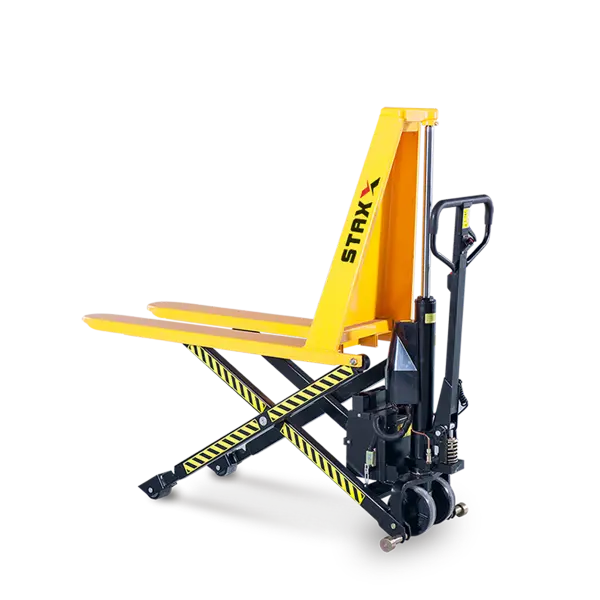 Special Pallet Trucks
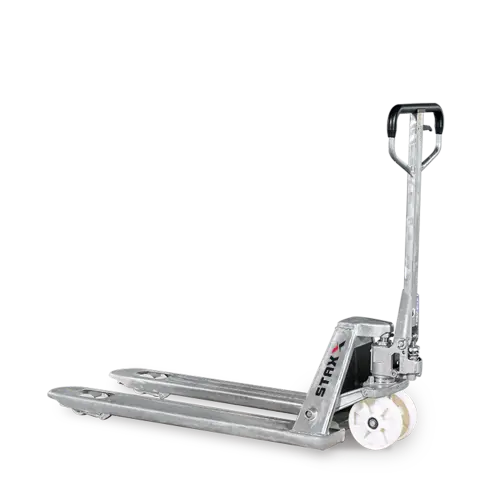 Galvanized and Inox Series
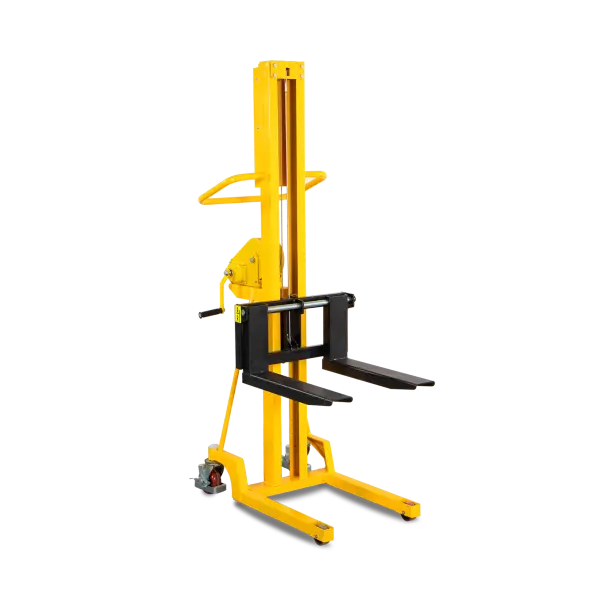 Easy Lift Service
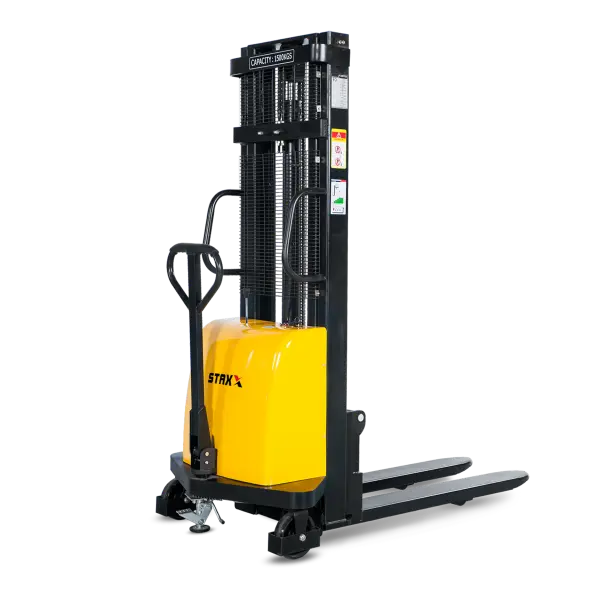 Manual Stackers
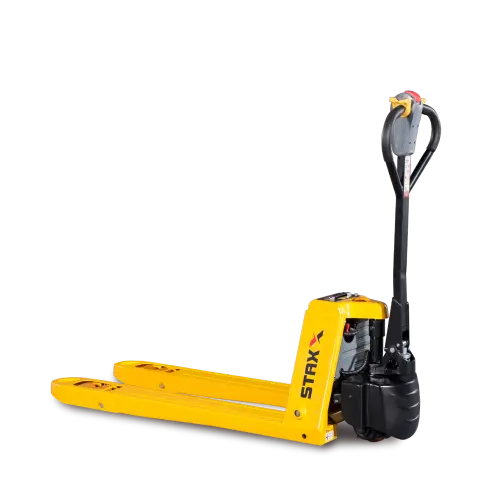 Electric Pallet Truck
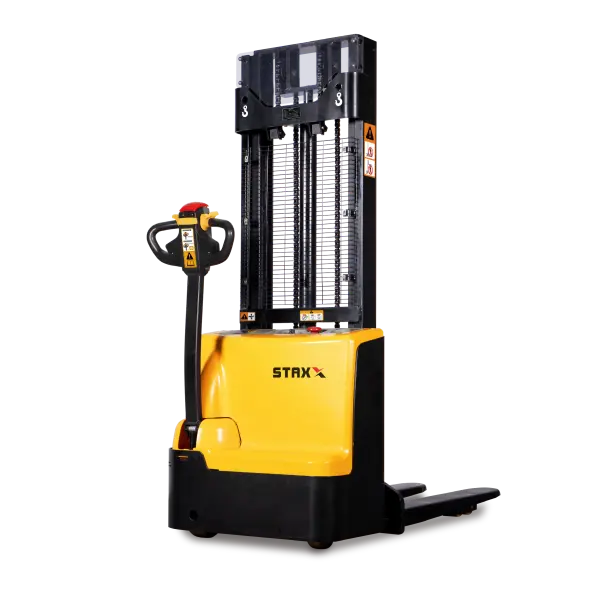 Electric Stackers
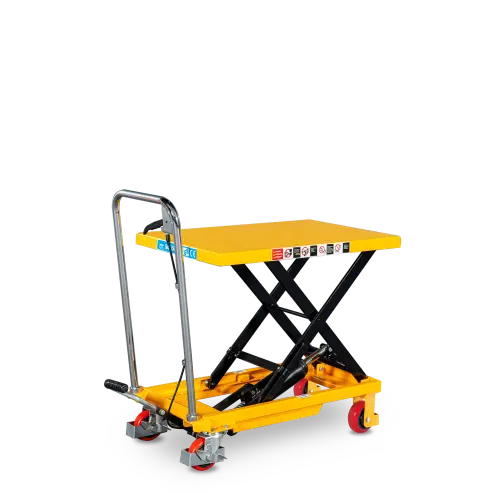 Lift Table
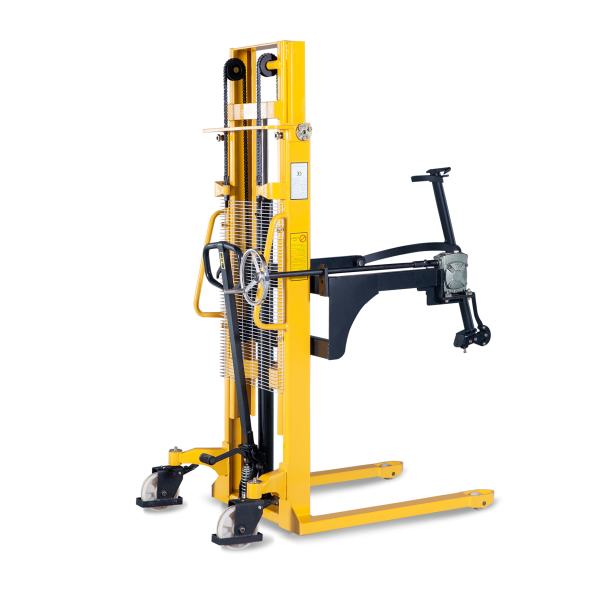 Drum Handling
 Others