How to Choose the Right Hand Pallet Jack for Your Business?
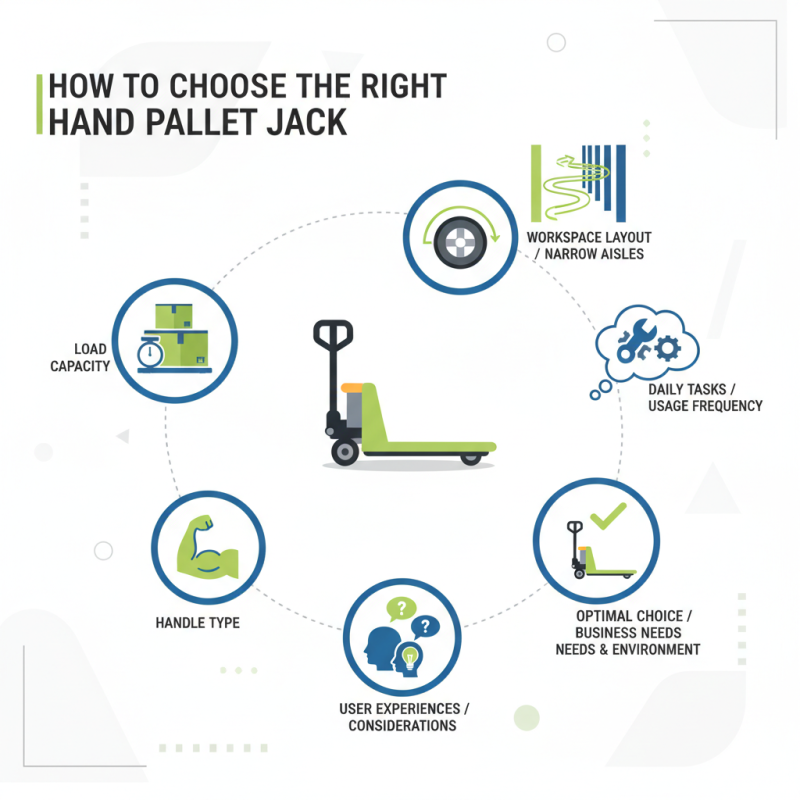
Choosing the right Hand Pallet Jack can significantly impact your business operations. This crucial tool moves heavy loads efficiently. However, selecting the ideal model isn’t always straightforward. Businesses often overlook specific needs, leading to poor choices. A Hand Pallet Jack should fit the lay of your workspace. Consider factors like load capacity, handle type, and wheel design.
Not every Hand Pallet Jack is equal. Some models excel in narrow aisles while others are built for heavy lifting. Each has its pros and cons. Ignoring these differences can result in inefficiency. Reflect on your daily tasks. How often do you lift heavy items? How important is maneuverability? The answers guide your choice.
Listening to user experiences can be insightful. Many express regret over their selections. They wish they had considered more variables. Your decision should reflect your business's needs and environment. Don't rush; a thoughtful selection leads to better performance and long-term satisfaction.
Understanding Your Business Needs for a Pallet Jack
When selecting a hand pallet jack, understanding your business needs is crucial. A report from the Material Handling Industry of America indicates that companies face a 30% increase in efficiency with the right equipment. It’s essential to evaluate your warehouse layout and the weight of goods. For example, if your facility has narrow aisles, a compact pallet jack may be necessary.
Consider the weight capacity too. Standard hand pallet jacks typically support 5,500 lbs, but specific industries may require higher capacities. If you’re handling heavier items, you may rethink your choice. Additionally, think about frequency of use. A jack used daily needs to be more durable.
However, many businesses overlook maintenance. In a recent survey, 45% of operators reported issues due to poor upkeep. This can lead to operational hiccups and productivity loss. Reflect on how properly maintained equipment can extend the life of your pallet jack.
How to Choose the Right Hand Pallet Jack for Your Business?
| Feature |
Consideration |
Typical Range |
| Weight Capacity |
Determine the maximum weight you'll be lifting. |
1500 - 5000 lbs |
| Fork Length |
Match the fork length to your pallet sizes. |
48" - 60" |
| Rim Type |
Consider hard rubber vs. polyurethane wheels based on surface type. |
Hard Rubber, Polyurethane |
| Handle Types |
Choose between a standard handle or an ergonomic design for comfort. |
Standard, Ergonomic |
| Lift Height |
Ensure the lift height suits your racking system. |
3" - 7" |
Types of Hand Pallet Jacks and Their Functions
When selecting a hand pallet jack, understanding the types available is crucial. Manual pallet jacks are the most common type. They are cost-effective and require little maintenance. According to industry reports, they account for approximately 60% of the hand pallet jack market. These jacks rely on human power for operation, offering improved flexibility but demanding physical effort.
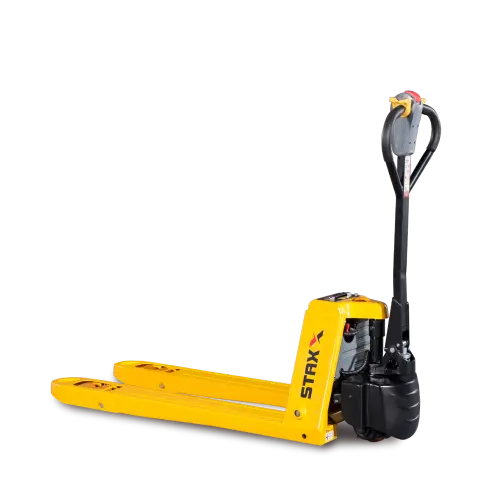
Electric pallet jacks are another option. They offer enhanced efficiency and require less physical exertion. Market data shows that electric models are gaining popularity, particularly in large warehouses. Businesses often report a 30% increase in productivity when using these.
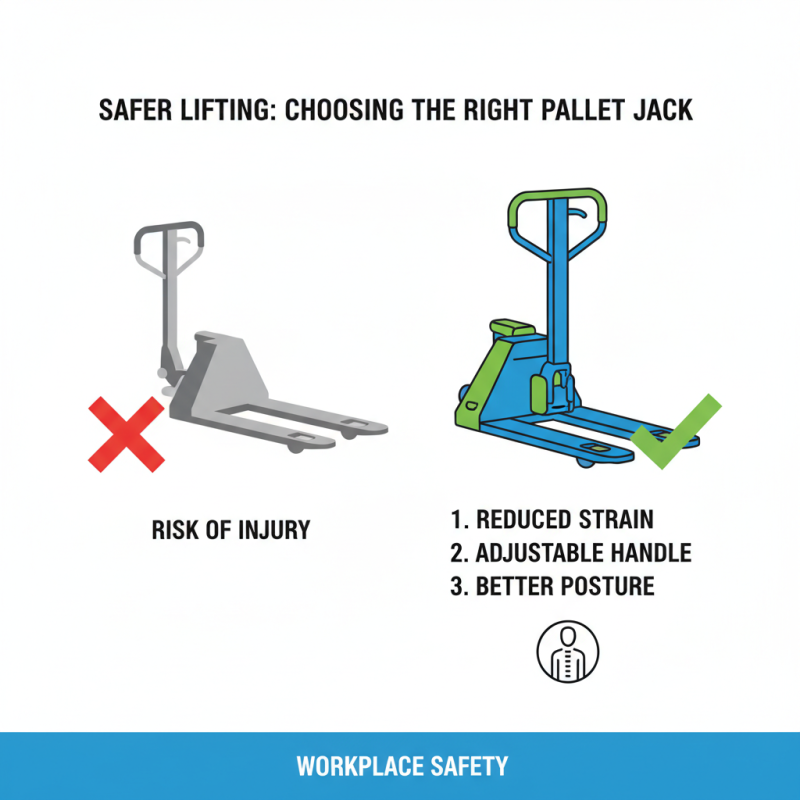
Each type has its unique pros and cons. Manual pallet jacks, while cheaper, may lead to injuries if not used properly. Electric models, although more expensive, could lead to budget strains. Companies must assess their specific needs. Understanding these details is vital to making an informed decision. How well you choose can impact daily operations.
Key Features to Consider When Selecting a Pallet Jack
Choosing the right hand pallet jack is crucial for your business operations. When selecting a pallet jack, focus on key features that impact efficiency and safety.
One major feature to consider is the load capacity. A pallet jack's capacity often ranges from 2,200 to 5,500 pounds. Selecting a jack with adequate capacity prevents potential overload, which can lead to accidents. It's essential to understand your typical load weight. Many businesses report that not accounting for load weight has resulted in damaged equipment.
Another critical factor is the fork length. Standard forks are typically 48 inches, but options can vary from 36 to 60 inches. Using the appropriate fork length optimizes space management and enhances maneuverability. Reports show that improper fork length leads to inefficient handling, causing delays.
Tips: Always assess the environment. If navigating tight spaces, a compact model is beneficial. Also, check the wheel type. Polyurethane wheels offer a smoother ride on concrete, while rubber wheels excel on uneven surfaces.
The build material of the jack is also important. Steel jacks are robust but heavier, and lighter materials may be easier to handle. However, lighter materials can compromise longevity. It’s a balancing act between sturdiness and weight.
In conclusion, prioritize these features. Assess the balance between your operational needs and safety.
How to Choose the Right Hand Pallet Jack for Your Business?
Assessing Weight Capacity and Load Size Requirements
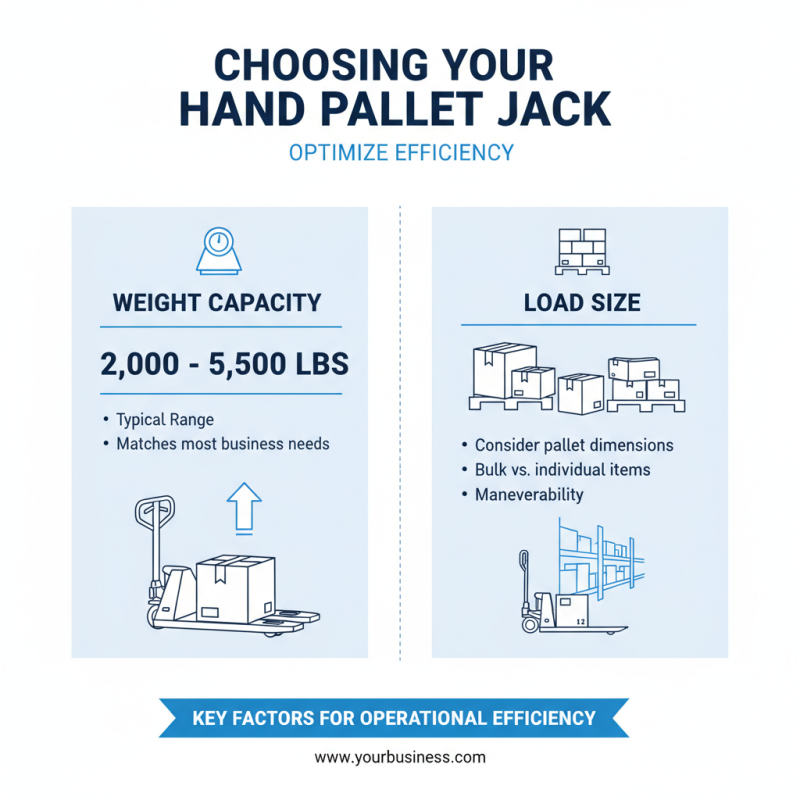
Choosing the right hand pallet jack involves careful consideration of weight capacity and load size. These factors directly influence operational efficiency in your business. According to industry data, many pallet jacks have a typical weight capacity ranging from 2,000 to 5,500 pounds. Understanding your unique needs is essential for making the right selection.
Load size also plays a significant role. The standard pallet dimensions are 48x40 inches. If your goods exceed these dimensions, a specialized pallet jack may be necessary. Businesses often underestimate their load requirements, leading to inefficiencies. A pallet jack that cannot handle your load adequately can result in frequent breakdowns.
Tips:
- Assess your load regularly. Conduct inspections to ensure your pallet jack meets your needs.
- Keep in mind that lighter jacks may not be sturdy enough for heavier items. This mismatch can lead to safety hazards.
- Consider the maximum weight you'll frequently move. This awareness can prevent costly mistakes and enhance productivity.

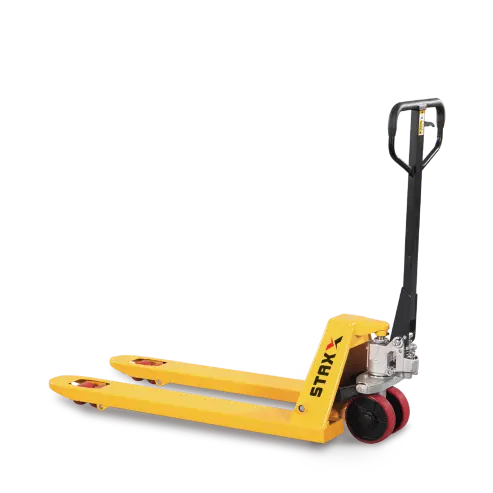 Hand Pallet Trucks
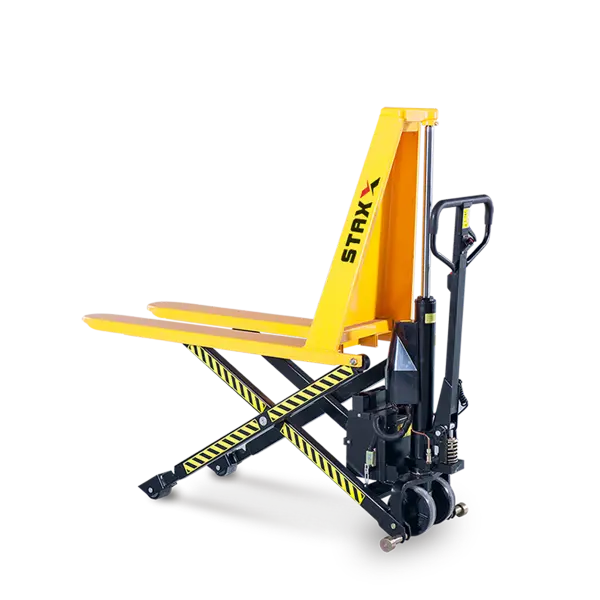 Special Pallet Trucks
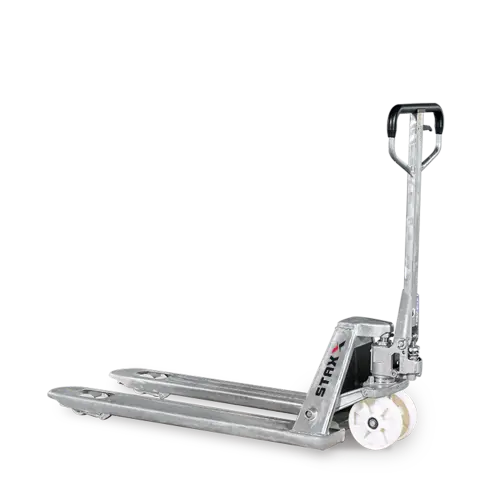 Galvanized and Inox Series
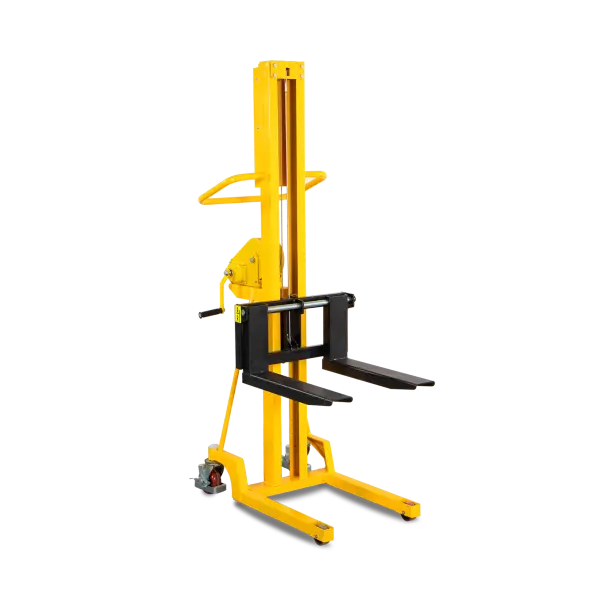 Easy Lift Service
 Manual Stackers
 Electric Pallet Truck
 Electric Stackers
 Lift Table
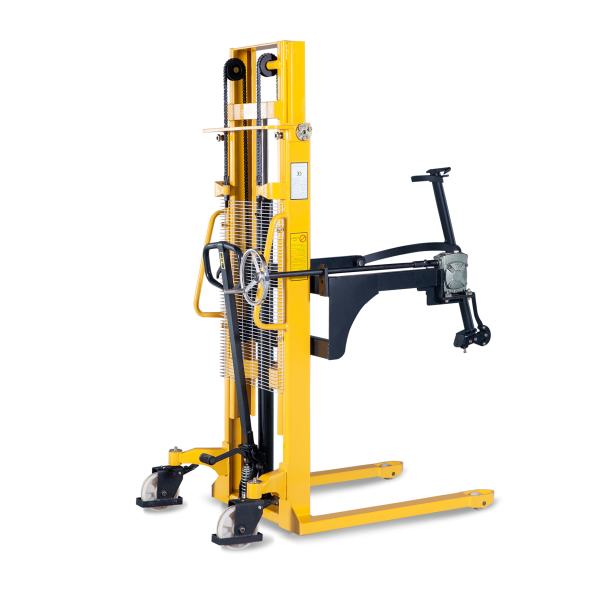 Drum Handling
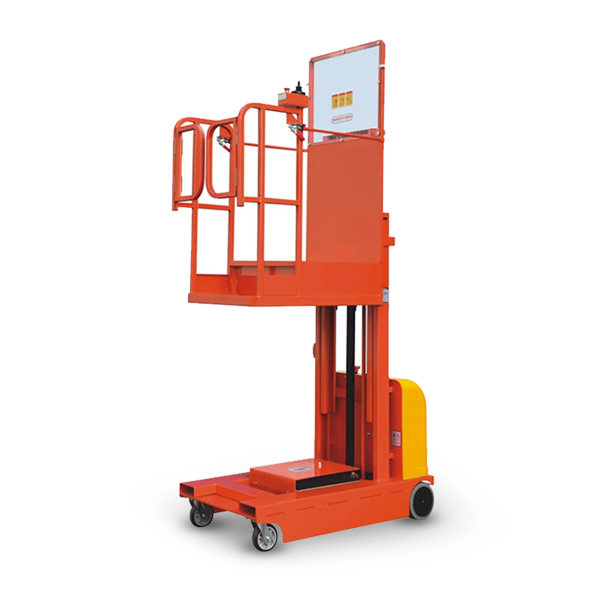 Others