The efficient use of a pallet jack can significantly impact warehouse operations. According to a report by the Material Handling Institute, proper training for pallet jack operators increases productivity by up to 30%. John Smith, a logistics expert with over 15 years in the industry, emphasizes, "Mastering the pallet jack is crucial for effective material handling."
Pallet jacks reduce physical strain and increase efficiency. However, improper use can lead to accidents. In fact, the Occupational Safety and Health Administration reports that improper handling accounts for 24% of forklift-related injuries. This highlights the importance of following best practices when operating pallet jacks.
Many workers underestimate the nuances of using a pallet jack, leading to errors. Awareness and training are essential. A well-maintained pallet jack will perform better and ensure safety. Strive for continuous improvement in handling techniques. The right approach can transform the effectiveness of pallet jack operations in any facility.
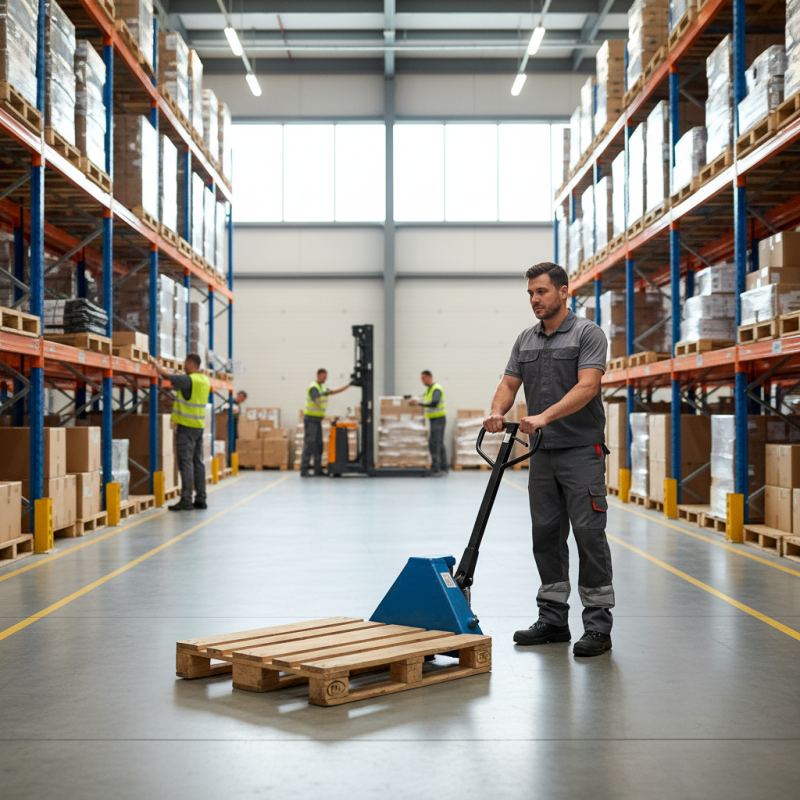
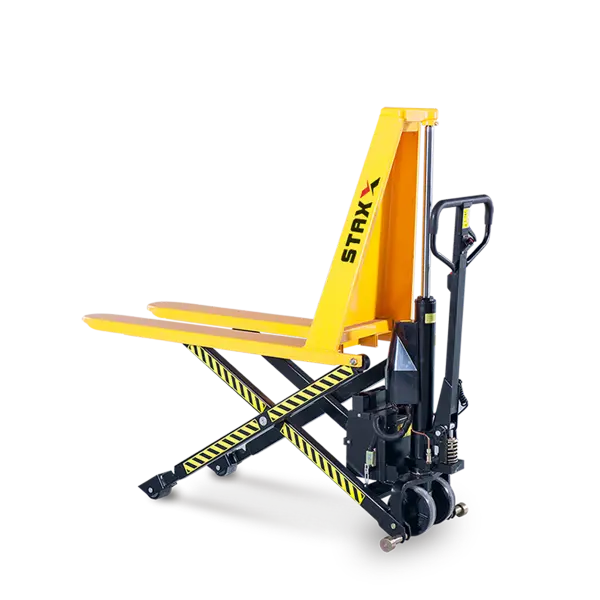
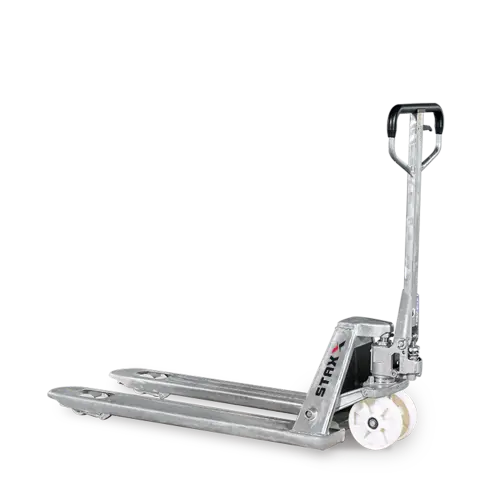
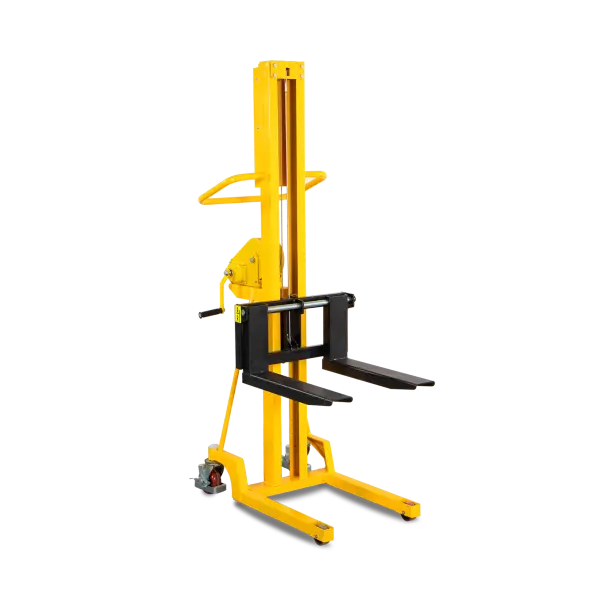
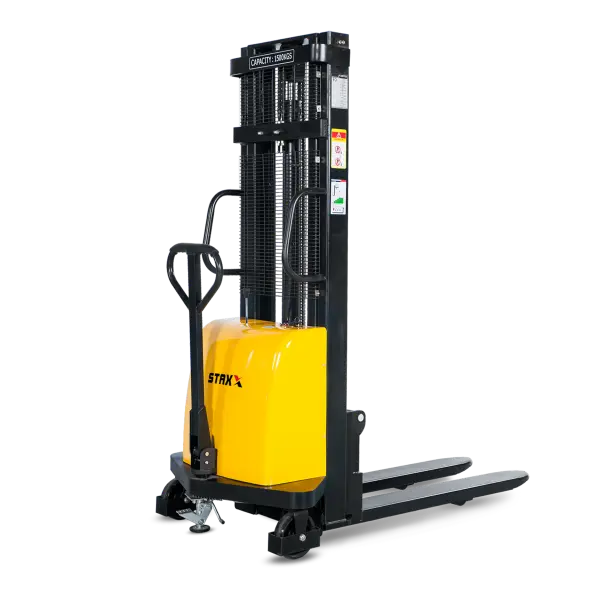
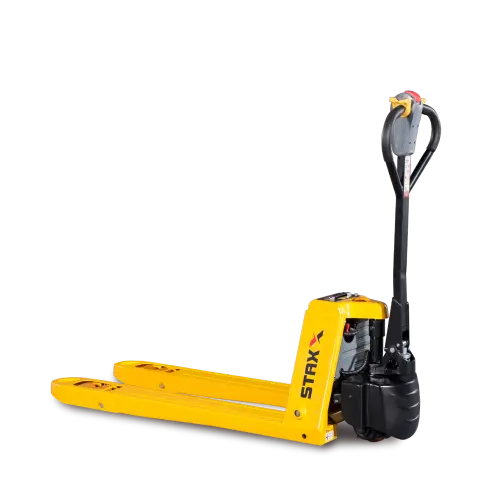
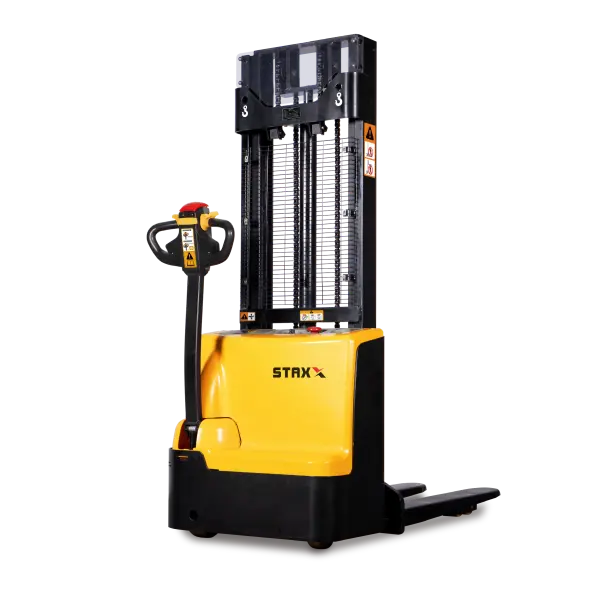
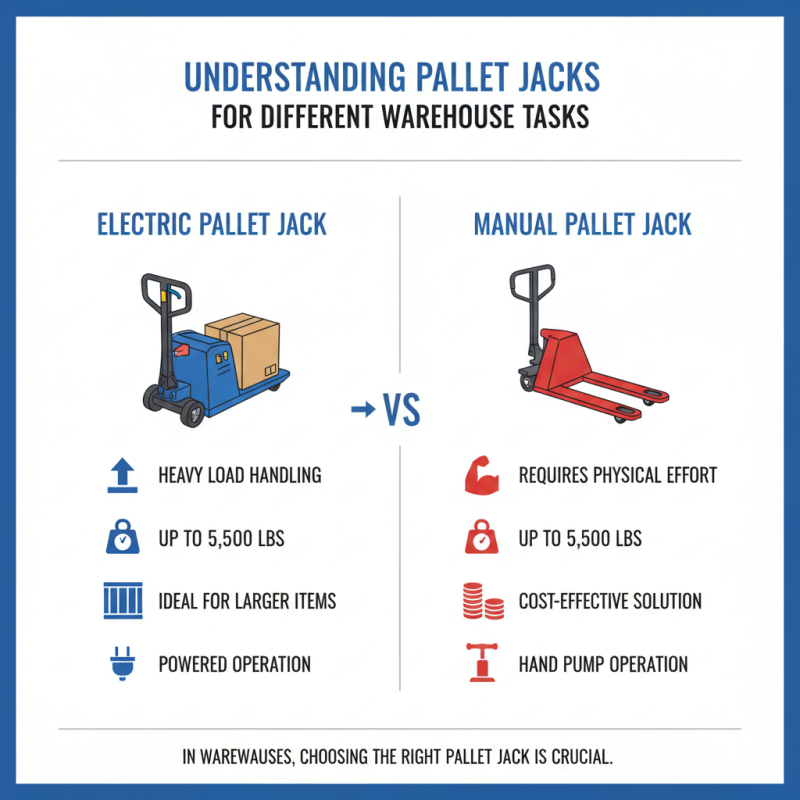
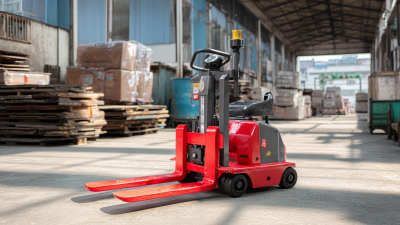
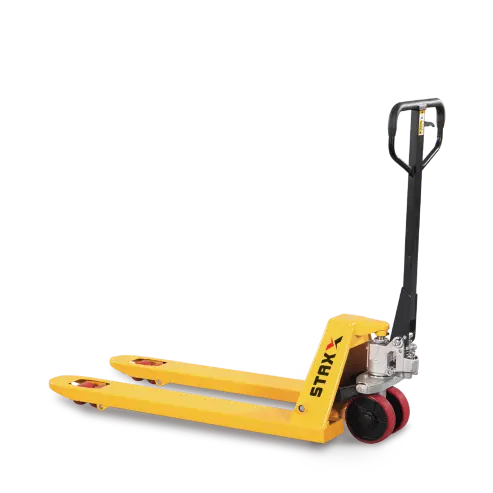
In warehouses, understanding the types of pallet jacks is crucial. Electric pallet jacks, for example, are suited for heavy load handling. They can lift up to 5,500 pounds, making them ideal for larger items. Manual pallet jacks are a cost-effective solution but require more physical effort. They typically lift around 5,500 pounds as well.
Another type is the low-profile pallet jack. This model is perfect for navigating tighter spaces. It allows workers to easily move pallets in crowded aisles. A study by the Material Handling Industry (MHI) shows that these tools can increase efficiency by up to 30%.
However, user mistakes often occur with pallet jacks. Overloading can lead to accidents. Proper training is necessary to prevent injuries. A report from Occupational Safety and Health Administration (OSHA) indicates that insufficient training results in 20% of workplace injuries. Understanding these nuances is critical for a safe warehouse environment.
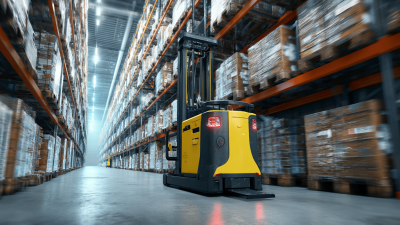
When using a pallet jack, understanding optimal load capacity is crucial for safety and efficiency. Loading beyond the safe weight limit can lead to mechanical failure or accidents. Generally, most pallet jacks can handle loads of up to 5,500 pounds. However, it's vital to check the specific model's capacity before use. Disregarding these limits not only risks injury but can also damage the equipment.
Awareness of weight distribution is equally important. Even if a load is within the weight limit, uneven distribution can create instability. Ideally, heavier items should be placed on the bottom and lighter ones on top. This arrangement keeps the center of gravity low. Remember, securing the load properly is equally essential to prevent shifts during handling.
Training staff on the safe operation of pallet jacks can also minimize risks. All operators should understand how to assess weight and maneuver loads correctly. Still, human error happens. Regularly reviewing proper techniques and sharing experiences can help improve safety practices. It's essential to foster an environment where questions and reflection on past mistakes are encouraged.
Maneuvering a pallet jack in tight spaces can be challenging. Research indicates that about 30% of workplace accidents in warehouses occur due to improper handling of equipment. Therefore, mastering the techniques for using a pallet jack is crucial for safety and efficiency.
Start by approaching the load at a 90-degree angle. This method allows better visibility and control. When turning, keep the load low to maintain stability. Use short, deliberate movements. Large swings can lead to accidents. According to a 2021 Occupational Safety and Health Administration (OSHA) report, reducing sudden movements decreases the risk of injuries significantly.
In addition, maintaining a clear path is vital. Cluttered environments can make maneuvering difficult. A survey by the National Safety Council found that poor workspace organization accounts for 25% of lift-related injuries. Regularly assess your environment and communicate with coworkers about the layout. Ensure everyone is aware when space is tight. Use bright markers to indicate load paths in confined areas. Adapting these techniques can promote safer practices and enhance productivity in your workspace.
This bar chart displays the efficiency ratings of various techniques for maneuvering a pallet jack in tight spaces. The ratings range from 1 to 10, with 10 being the most efficient. Each technique is essential for improving productivity and safety in logistic operations.
Regular maintenance of pallet jacks is crucial for their performance and longevity. Operators should inspect the jack daily for any signs of wear or damage. Check the wheels and forks for cracks or chips. A worn wheel can impact maneuverability. Lubricating moving parts regularly can prevent unnecessary friction. This can lead to smoother operations and less strain on the machinery.
In addition to daily checks, a more thorough monthly inspection is advisable. Look for loose bolts or screws that might need tightening. Examine the hydraulic system for leaks. Even minor issues can escalate into costly repairs. Operators must be proactive in addressing these concerns. It’s easy to overlook small problems, but ignoring them can lead to unexpected downtime.
Training staff on proper usage also plays a role in maintenance. Improper handling can shorten the life of pallet jacks. Encourage operators to be mindful of their movements. Maintaining a clean workspace can also help. A cluttered area increases risks of accidents and damage. A consistent focus on maintenance can enhance efficiency and safety over time.
When using a pallet jack, safety is paramount. Research shows that material handling injuries contribute to 25% of workplace accidents. To mitigate risks, it’s essential to adhere to safety protocols. Always perform a thorough inspection of the pallet jack before use. Check the wheels, forks, and hydraulic fluid levels. Ensuring equipment functions properly minimizes the chances of accidents.
Operators must be trained and knowledgeable about proper handling techniques. Maintain a firm grip on the handle while moving. Keeping the load low to the ground enhances stability. Remember to avoid sudden movements, as they can lead to spills or loss of control. According to industry data, proper training can reduce injury rates by up to 30%.
When stacking loads, ensure they are evenly distributed. Uneven loads increase the risk of tipping and can lead to serious injuries. Additionally, always be aware of your surroundings. Look out for obstacles and people before moving. Learning from past incidents can help create a safer work environment. Unsafe practices should be regularly reviewed and addressed. Regular training refreshers can help reinforce good habits among workers.
| Tip Number | Tip Description | Safety Protocol | Expected Outcome |
|---|---|---|---|
| 1 | Inspect the pallet jack before use. | Check for damage or wear. | Reduced risk of mechanical failure. |
| 2 | Ensure the load is stable. | Properly secure items on the pallet. | Minimized chance of load shifting. |
| 3 | Use the correct lifting technique. | Bend your knees, not your back. | Lower risk of back injuries. |
| 4 | Keep a clear path when operating. | Remove obstacles and debris. | Reduced chance of trips and falls. |
| 5 | Travel at a safe speed. | Avoid rushing when moving. | Improved control of the pallet jack. |
| 6 | Communicate with coworkers. | Use hand signals or verbal cues. | Enhanced workplace safety. |
| 7 | Avoid overloading the pallet jack. | Adhere to weight limits. | Less strain on the operator and equipment. |
| 8 | Use your body to steer the pallet jack. | Leverage your weight for control. | Better maneuverability. |
| 9 | Lower the forks when moving. | Keep forks just above the ground. | Reduced risk of tipping or dropping loads. |
| 10 | Know your limits. | Stop if you feel fatigued or unsafe. | Prevent accidents and injuries. |