What is a Manual Hand Pallet Jack and How to Use It?
The Manual Hand Pallet Jack is a crucial tool in warehouses and logistics. According to John Smith, a renowned expert in material handling, "Efficiency in moving goods begins with the right equipment." This simple yet powerful device allows workers to transport heavy loads with ease.
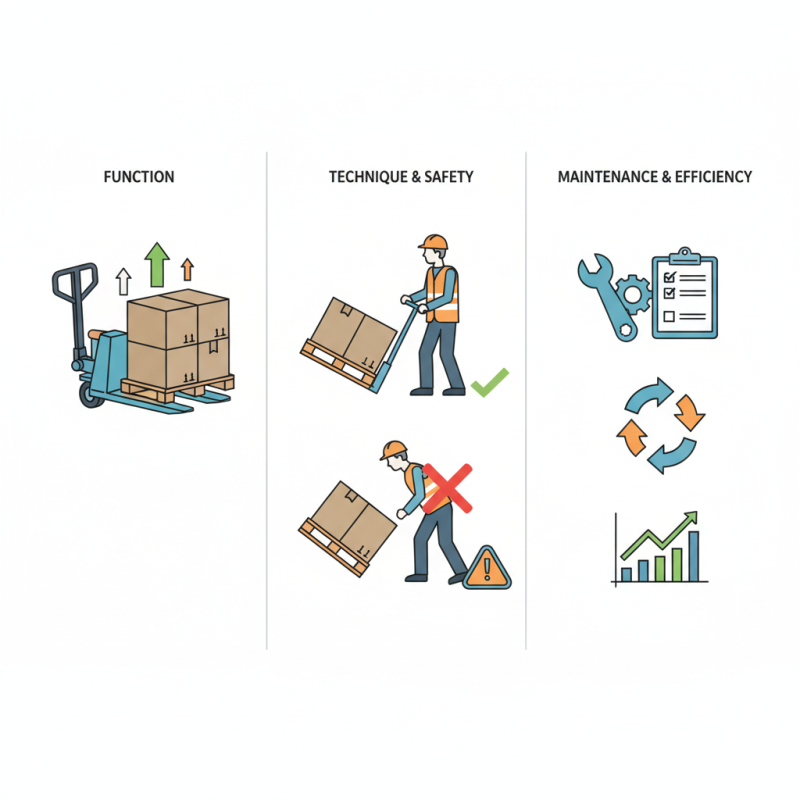
Using a Manual Hand Pallet Jack can seem straightforward, but it requires proper technique. The jack's design offers a blend of functionality and ease of use. However, many users overlook safety precautions. Improper operation can lead to injuries. It's essential to understand how to maneuver the jack effectively to avoid potential accidents.
Operators must be vigilant about maintaining their Manual Hand Pallet Jacks. Regular checks for wear and tear can prevent costly breakdowns. Many users fail to recognize signs of damage until it's too late. Emphasizing training and awareness can improve overall efficiency and safety in the workplace.
What is a Manual Hand Pallet Jack?
A manual hand pallet jack is a vital tool in many warehouses and retail settings. It aids in the efficient movement of pallets loaded with goods or materials. This device typically features two forks that slide under the pallet. The operator pumps a handle to lift the load. The simple mechanics allow for significant weight handling, often up to 5,500 pounds according to industry standards.
Using a hand pallet jack requires some skill. Misalignment can lead to accidents, especially with heavier loads. Reports show that improper usage might result in up to 20% of workplace injuries in material handling sectors. Training in safety protocols is essential. Proper ergonomics prevent strain. Operators should bend their knees and keep their backs straight while lifting.
While effective, the manual hand pallet jack has limitations. It relies heavily on physical strength, which may not always be available. For larger warehouses, this might slow down productivity. Some studies indicate this tool can be slower than powered options in high-volume environments. Facilities must assess their needs carefully. What works for one may not suit another. Reflection on operational efficiency is crucial.
Key Components of a Manual Hand Pallet Jack
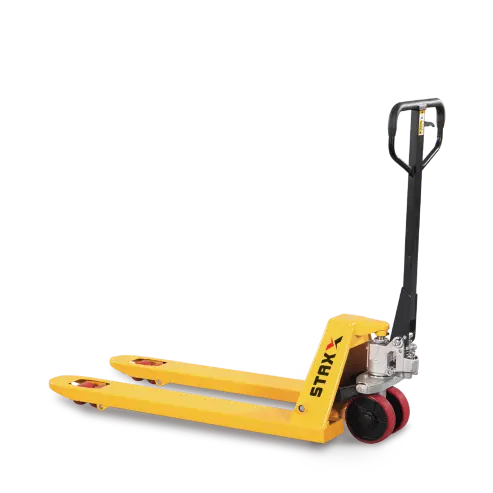
A manual hand pallet jack is a simple tool for moving heavy loads. Understanding its key components is crucial for safe operation. The main parts include the forks, handle, wheels, and hydraulic pump. Each part plays a vital role in lifting and transporting pallets.
The forks are designed to slide under the pallet. They come in different lengths and widths. Ensure the right size for your pallets. The handle allows for easy maneuvering. Grip it firmly and use your body weight to steer. The hydraulic pump raises or lowers the forks. Pump the handle to lift the load.
Tips: Regularly check the wheels for wear. Damaged wheels can lead to unsafe operation. Always ensure the weight is evenly distributed on the forks. Uneven loads can result in tipping. When not in use, store the jack in a dry area to avoid rust. Taking these precautions can enhance the longevity of your pallet jack.
Pallet jacks can seem straightforward, but improper use can cause accidents. Always be mindful of your surroundings. Overloading a fork is a common mistake. It can lead to equipment failure or personal injury. Take the time to assess your load before lifting.
What is a Manual Hand Pallet Jack and How to Use It? - Key Components of a Manual Hand Pallet Jack
| Component |
Description |
Material |
Typical Weight Capacity |
| Forks |
The long, flat arms that slide under the pallet. |
Steel |
Up to 2,500 lbs |
| Handle |
The part used to lift and maneuver the jack. |
Rubberized Plastic |
N/A |
| Wheels |
Allow the pallet jack to move smoothly. |
Polyurethane |
N/A |
| Hydraulic Pump |
Lifts the forks to the desired height. |
Steel |
N/A |
| Brake |
Helps to stop and secure the pallet jack when in use. |
Metal |
N/A |
How to Properly Operate a Manual Hand Pallet Jack
Operating a manual hand pallet jack may seem simple, but it requires practice to do it safely and effectively. Begin by ensuring that the pallet jack is in good condition. Look for any signs of wear or damage. A fully functional jack is crucial for safe operation. When you’re ready to lift, locate the handle and make sure it feels secure. The pressure should be even when you raise the forks.
As you move the jack, keep your back straight and use your legs for strength. This helps prevent injury. If the load feels too heavy, reassess your approach. It may be necessary to divide the load into smaller, more manageable pieces. Always be mindful of the surrounding area. Avoid tight spaces and obstacles. You need to create a clear path for maneuvering.
Practice is key. The more you use the pallet jack, the better you will get at handling different loads. Reflect on your technique regularly to improve. Don’t rush through the process, even if you're busy. Each operation should be done with care and attention. Mistakes can happen, and it’s essential to learn from them.
Usage Statistics of Manual Hand Pallet Jacks
This bar chart illustrates the percentage of different industries that utilize manual hand pallet jacks for their operations. It provides insight into the most common applications of this equipment.
Safety Tips for Using a Manual Hand Pallet Jack
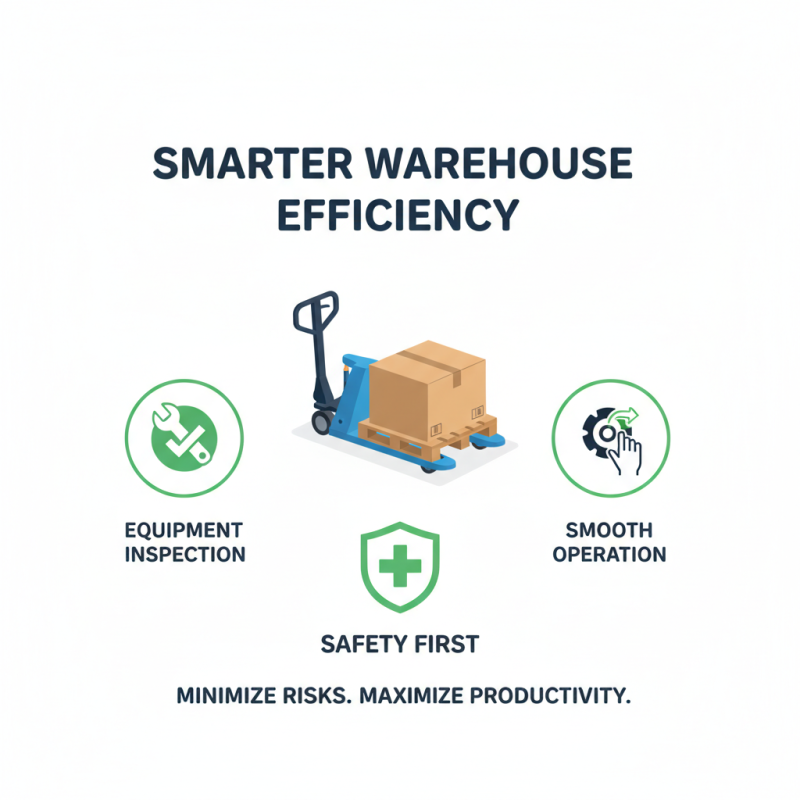
Using a manual hand pallet jack can greatly enhance your warehouse efficiency. However, safety is crucial. Always inspect the equipment before use. Check for any visible damage or wear. Ensure the wheels move freely. A well-maintained jack minimizes the risk of accidents.
When operating the pallet jack, keep your feet clear. Avoid standing directly in front of the unit while maneuvering. It's best to push, not pull. This position offers better control and reduces strain. Be mindful of your surroundings. Look out for obstacles on the floor. Transportation should be slow, especially in crowded areas.
One common mistake is overloading the pallet jack. Every jack has a weight limit. Exceeding it can lead to tipping or equipment failure. It's vital to distribute the weight evenly. Also, training is essential. Ensure every user understands the proper techniques. This helps creation of a safer workspace. Frequent reminders about safety practices can prevent accidents. Good habits lead to better outcomes.
Maintenance and Care for a Manual Hand Pallet Jack
Manual hand pallet jacks are essential tools in warehouses. They require regular maintenance to ensure efficiency and safety. One key aspect is lubrication. Every few months, check and lubricate moving parts. This keeps the jack in good working condition.
Inspect the wheels regularly. Damaged wheels can lead to uneven loads. If you notice any wear or cracking, it's time to replace them. Proper wheel maintenance can prolong the life of the jack. Pay attention to load capacities. Overloading can cause strain on both the jack and the operator.
Tips: Always keep the jack clean. Dirt and debris can affect performance. A clean jack operates smoothly and lasts longer. Also, store it properly when not in use. Avoid leaving it in damp areas; this can lead to rust. Regular care helps in catching small issues before they become big problems. It’s easy to overlook these details, but a few minutes of attention can save you from costly repairs later.

 Hand Pallet Trucks
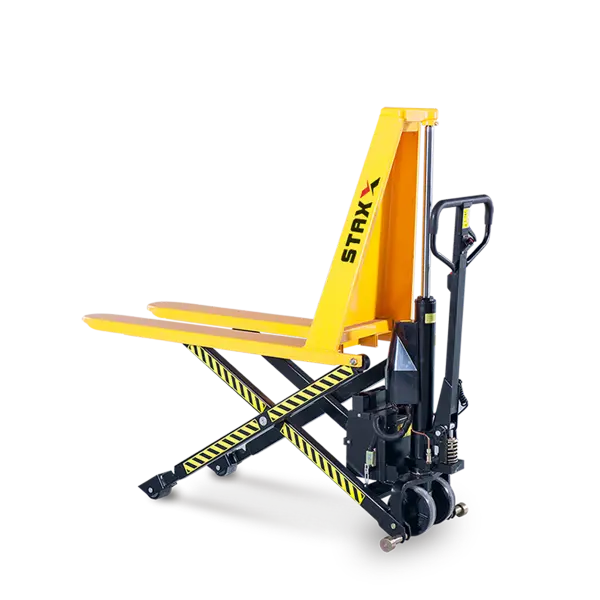 Special Pallet Trucks
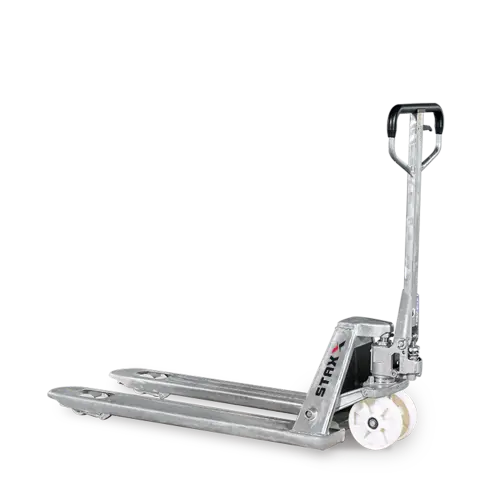 Galvanized and Inox Series
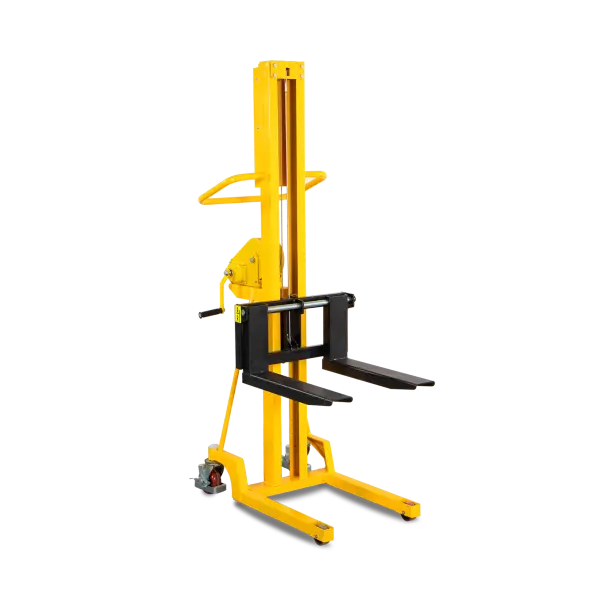 Easy Lift Service
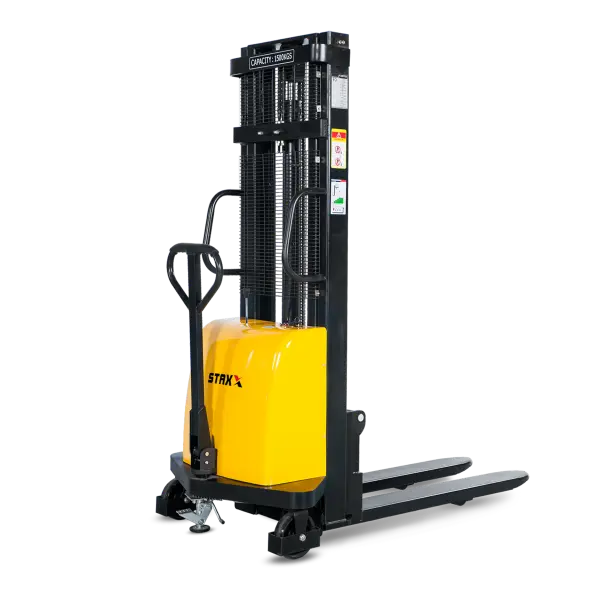 Manual Stackers
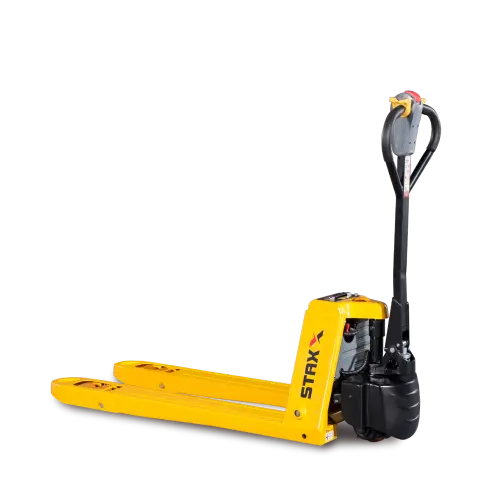 Electric Pallet Truck
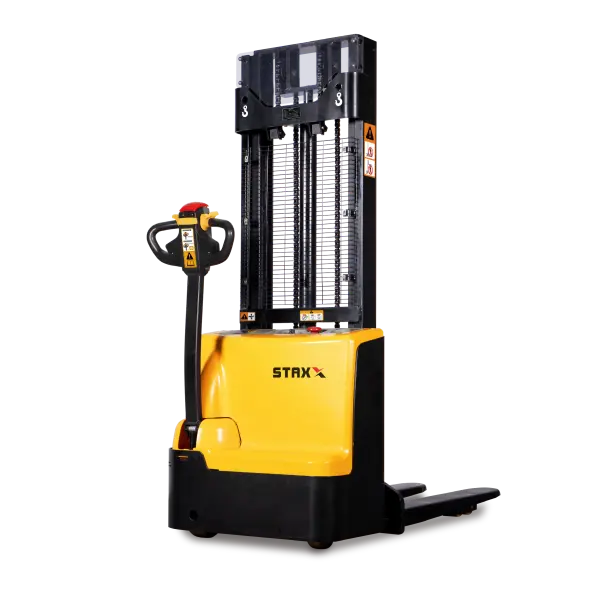 Electric Stackers
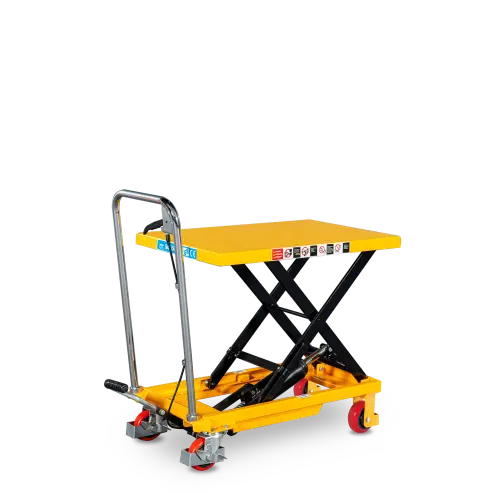 Lift Table
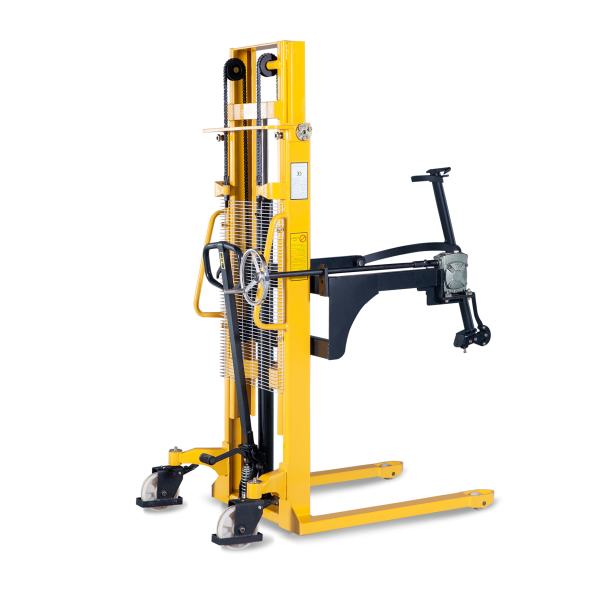 Drum Handling
 Others