Top 5 Walking Pallet Jacks You Need for Efficient Warehousing?
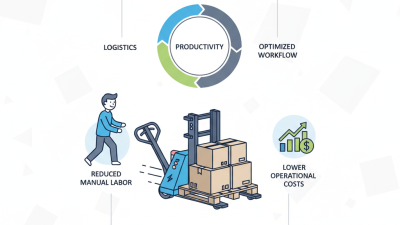
In today's fast-paced warehousing environment, efficiency is key. "Walking Pallet Jacks" have become essential tools for streamlining operations. According to Jack LePointe, a seasoned expert in material handling, "Every warehouse should invest in quality walking pallet jacks to enhance productivity." This quote underscores the significance of these machines in daily logistics.
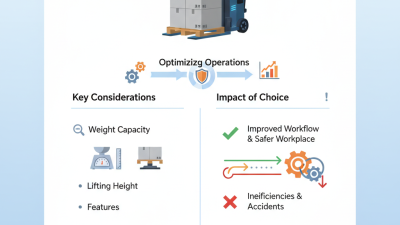
Walking pallet jacks provide a balance of power and maneuverability, allowing operators to transport goods with ease. However, not all models are created equal. Factors like weight capacity and design influence their effectiveness. Many industries overlook the importance of selecting the right model, which can lead to wasted time and effort.
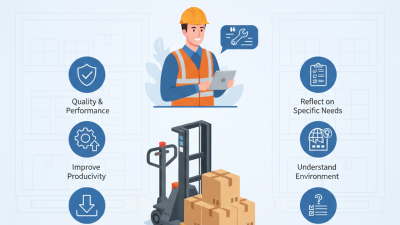
As we delve into the top five walking pallet jacks, keep in mind the specific needs of your warehouse. Choosing the right equipment can dramatically impact your workflow. Reflect on your current practices, and consider how the right walking pallet jack can enhance efficiency.
Understanding Walking Pallet Jacks and Their Importance in Warehousing
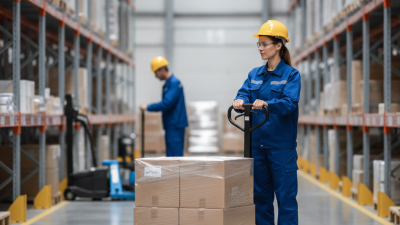
Walking pallet jacks are essential for efficient warehousing. They significantly improve the movement of goods. A walking pallet jack allows the operator to guide it manually. This tool is vital for loading and unloading pallets in tight spaces. It enhances productivity and can save time during operations.
Tips for choosing the right walking pallet jack:
- Weight capacity: Ensure it matches the heaviest load you will lift.
- Terrain considerations: A jack with sturdy wheels can handle uneven floors better.
- Ergonomic handles: Reduce strain on operators, improving workflow.
Another consideration is the maintenance of pallet jacks. Regular checks can prevent mishaps and costly downtime. Inspect for wear and tear on wheels and brakes. Small issues can escalate if left unchecked. Learning from operational challenges is key. Adjust your approach based on what works best for your team’s dynamic.
Key Features to Look for in Walking Pallet Jacks
When choosing a walking pallet jack, several key features demand attention. First, consider the weight capacity. Ensure the jack can handle your typical loads. A higher weight capacity adds versatility for varying inventory types. Stability is essential, especially when maneuvering in tight spaces. Look for a sturdy design that offers balance and support.
The fork length is crucial. It should match your pallet size for easy handling. A longer fork can improve efficiency when transporting multiple pallets. Another vital feature is the steering mechanism. Smooth and responsive steering enhances control. This is particularly beneficial within crowded warehouses.
Lastly, assess the ergonomic design. Handles should fit comfortably while minimizing strain. Height-adjustable options can accommodate diverse user heights. Prioritize jacks that come with durable wheels. Poor-quality wheels can lead to uneven movement and fatigue. Each feature contributes to a more efficient workflow. Consider real-world testing to find the perfect balance. Reflect on your specific needs before making the final choice.
Top 5 Walking Pallet Jacks You Need for Efficient Warehousing
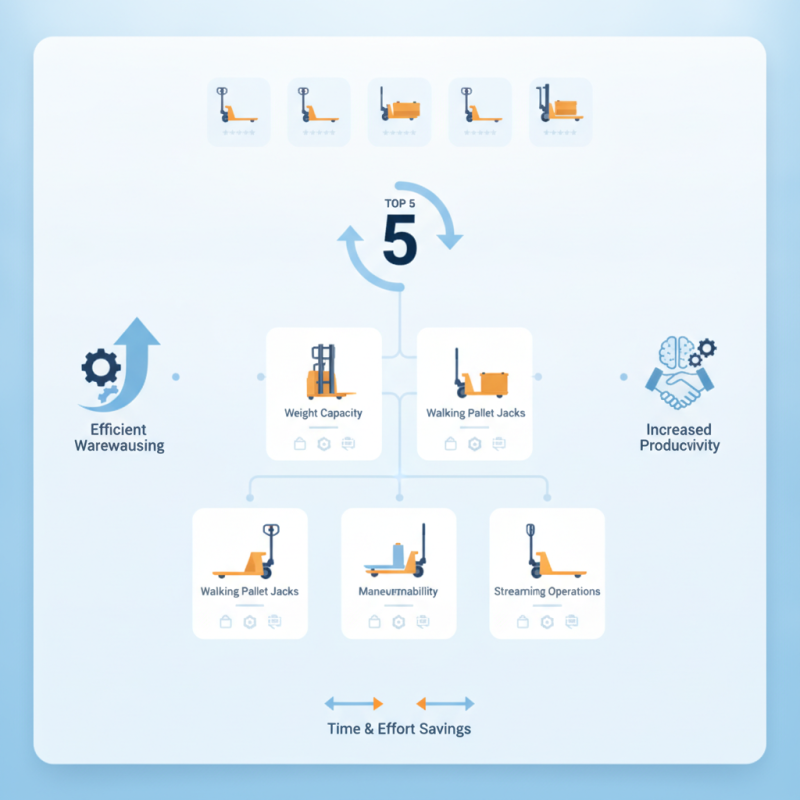
Top Five Walking Pallet Jacks for Optimal Efficiency
When it comes to warehousing efficiency, choosing the right walking pallet jack is essential. These tools streamline the movement of goods, reducing strain on workers. A good walking pallet jack should be robust yet easy to maneuver. Look for models with ergonomic designs that minimize user fatigue.
Tips for selecting the right pallet jack: Always assess the weight capacity first. Ensure the jack can handle your heaviest loads. Check the turning radius too. A smaller radius means better maneuverability in tight spaces. Also, consider the wheel material; polyurethane wheels offer smoother rides on various surfaces.
Beyond performance metrics, evaluate the maintenance needs of the equipment. Some jacks require more upkeep than others. Frequent use may increase wear and tear on certain components. This can lead to unexpected downtime. Keep in mind that investing in durable models might save on repairs in the long run. A quick audit of your warehouse layout can also reveal if your needs have changed over time. Adapting equipment choices to current workflows can enhance operational efficiency dramatically.
Comparative Analysis of Features and Performance
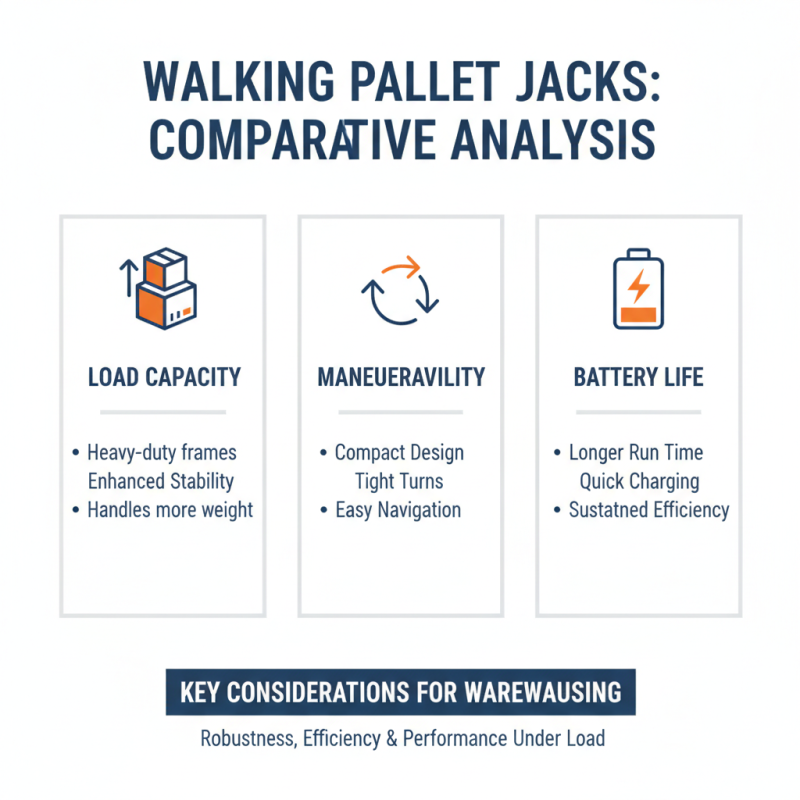
When considering the best walking pallet jacks for warehousing, a detailed comparison of features is essential. Focus on load capacity, maneuverability, and battery life. Each model may perform differently under heavy loads. A jack with a robust frame can enhance stability, contributing to overall efficiency.
Battery efficiency is crucial for daily operations. Some jacks have longer battery life, allowing for extended use without frequent charging. Yet, some models' weight can impact maneuverability. A heavier jack may feel more stable but harder to navigate in tight spaces. Additionally, ergonomic design can reduce operator fatigue, enhancing productivity over time.
Performance also depends on surface compatibility. Some jacks work best on smooth surfaces, while others handle rough terrain better. This variability can influence operational efficiency significantly. Users should consider their specific working environment. Balancing performance with comfort, durability, and safety features requires thoughtful reflection. Choosing the right model can lead to greater efficiency and reduced strain on workers.
Maintenance Tips for Prolonging the Life of Your Walking Pallet Jack
Walking pallet jacks are essential for warehousing efficiency. To ensure their longevity, proper maintenance is crucial. Regular checks for wear and tear can prevent larger issues down the line.
Notice any unusual noises during operation? Addressing these early can save costs later.
Check the wheels and forks frequently. Dirty or damaged wheels can hinder performance. Clean them regularly to enhance movement. If you see wear on the forks, consider replacing them sooner than later. A damaged fork can lead to accidents.
Fluid levels are also important. Regularly inspect hydraulic fluid levels. Low fluid can cause operational failures. Ensure that any leaks are repaired instantly to avoid costly downtime. Remember, your equipment reflects the overall efficiency of your warehouse. Keeping it in top shape is non-negotiable.

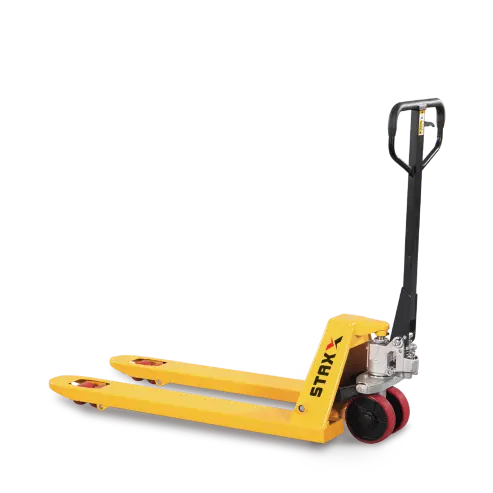 Hand Pallet Trucks
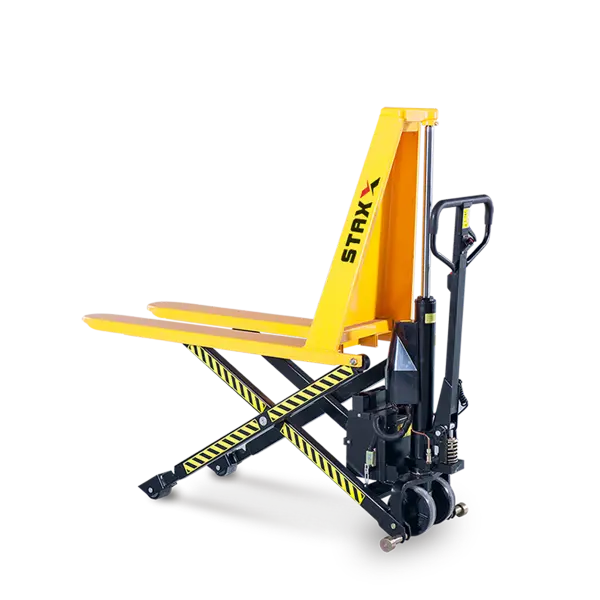 Special Pallet Trucks
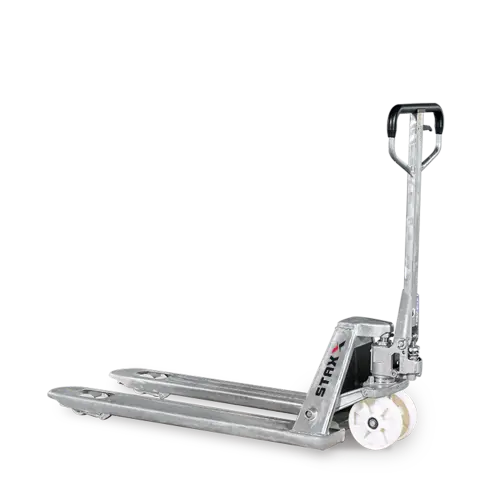 Galvanized and Inox Series
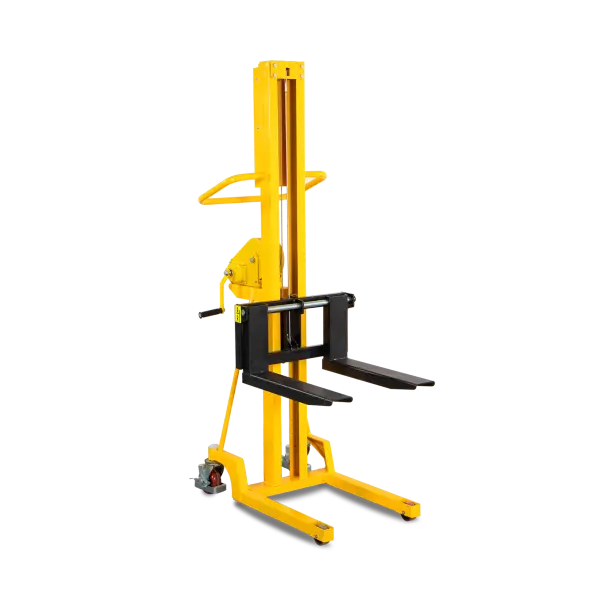 Easy Lift Service
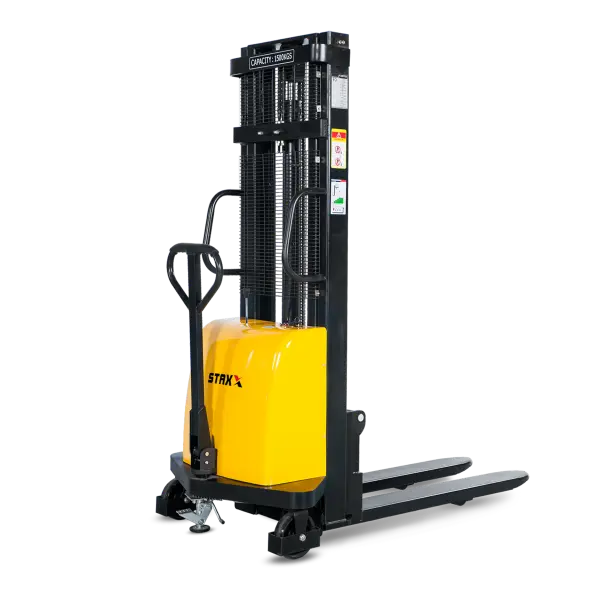 Manual Stackers
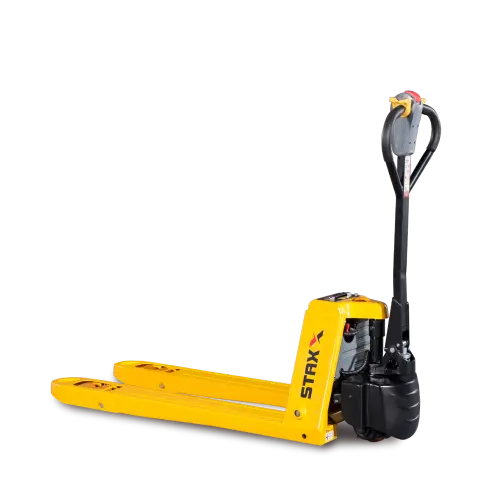 Electric Pallet Truck
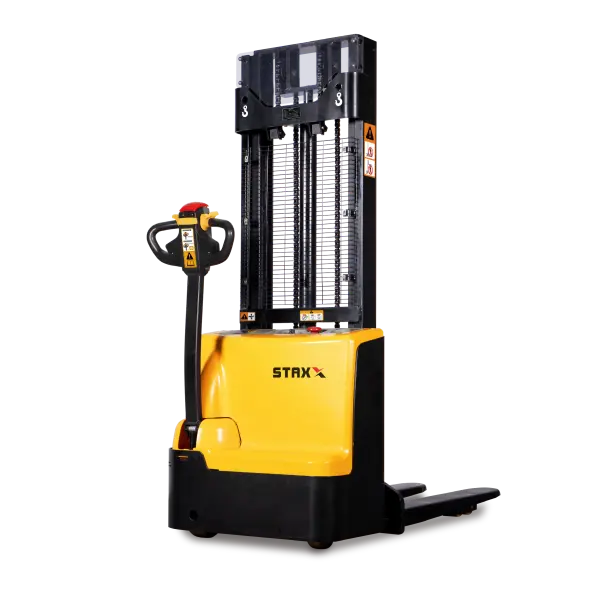 Electric Stackers
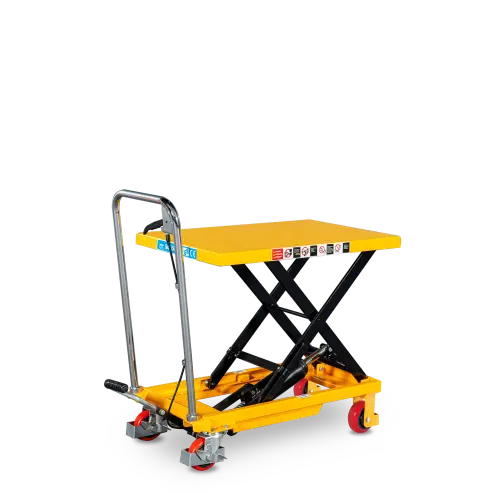 Lift Table
 Drum Handling
 Others